
State Emblem of India
- Blogs
- September 9, 2025
Syllabus:Governance
Context:
- Nearly 50 people were detained in Srinagar after the State Emblem of India plaque was vandalised and removed from inside the Hazratbal shrine.
What it is:
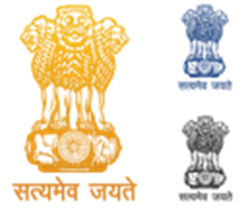
- The State Emblem of India is an official adaptation of the Lion Capital of Ashoka at Sarnath.
- It was formally adopted on 26 January 1950, coinciding with India’s transition into a Republic.
- The emblem signifies India’s sovereignty, authority, and commitment to truth and justice.
Historical Origin:
- The Lion Capital was originally commissioned by Emperor Ashoka (3rd century BCE) at Sarnath, the site where Buddha delivered his first sermon.
- It was part of Ashoka’s pillar edicts, spreading the universal message of Dhamma (righteousness).
- The sculpture was unearthed in 1905 and is preserved in the Sarnath Museum, Uttar Pradesh.
Key Features of the Emblem:
- Four Asiatic Lions: Seated back-to-back, representing power, courage, pride, and confidence.
- Abacus Frieze: Depicts an elephant, horse, bull, and lion, each separated by a Dharma Chakra (Wheel of Law).
- Lotus Base: Present in the original but omitted in the adopted emblem.
- Official Emblem (Republic of India):
- Shows three visible lions.
- At the base: a bull on the right and a galloping horse on the left.
- Dharma Chakra at the centre, with wheel outlines on either end.
- Motto: “Satyameva Jayate” (Truth Alone Triumphs), inscribed in Devanagari script beneath the emblem.
Latest Post
September 28, 2025
September 28, 2025
September 27, 2025
September 26, 2025
September 25, 2025
No posts found
Daily Current Affairs
No posts found
Attempt Quiz
September 27, 2025
September 26, 2025
September 25, 2025
September 25, 2025
September 24, 2025
No posts found