
Classification of Reform Movements
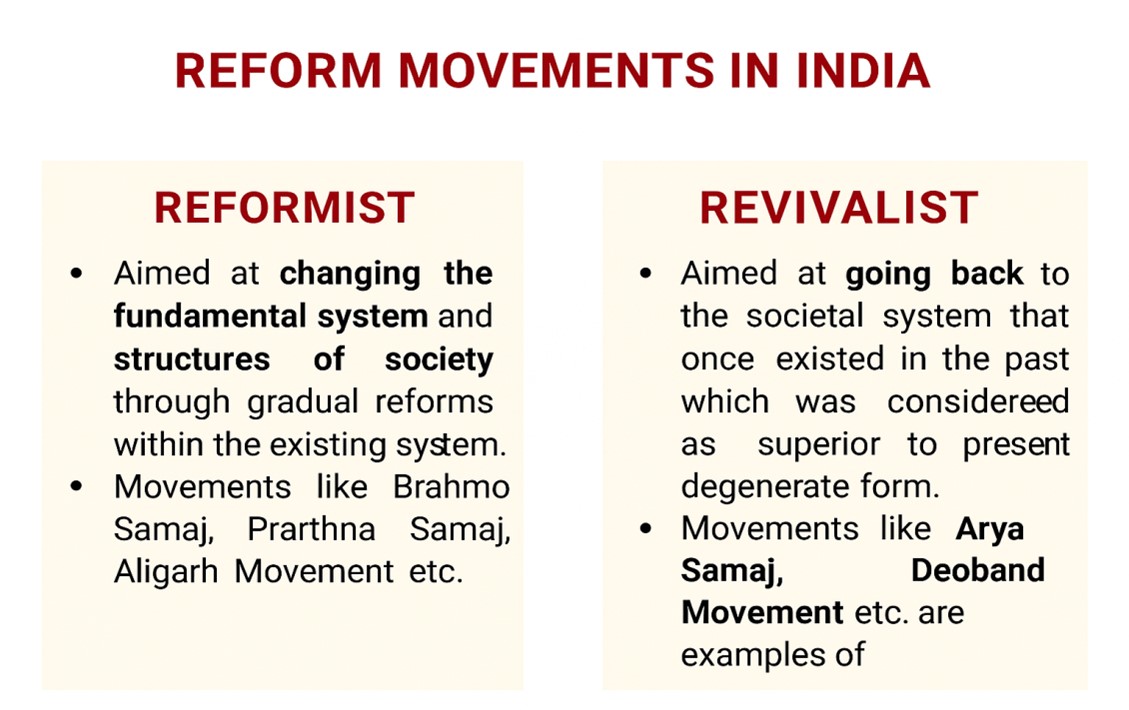
Based on their objectives and approaches, these movements can be broadly divided into two categories:
1. Reformist Movements
These movements sought to bring about change within the existing social and religious structures. Reformists believed that Indian society could progress by adopting modern values while retaining the core spirit of Indian traditions.
Examples include:
- Brahmo Samaj (founded by Raja Ram Mohan Roy)
- Prarthana Samaj (led by Mahadev Govind Ranade)
These organizations emphasized monotheism, rational thinking, social equality, and the importance of education, especially for women.
2. Revivalist Movements
Revivalists focused on reviving ancient Indian values and cultural heritage, which they believed had been corrupted by foreign rule and Western influence. These movements often looked to scriptural authority to justify their reforms.
Examples include:
- Arya Samaj (founded by Swami Dayananda Saraswati)
- Deoband Movement
These groups promoted a return to Vedic principles, religious purity, and moral regeneration, and opposed blind ritualism and superstitions.
Key Reasons for the Rise of Socio-Religious Reform Movements
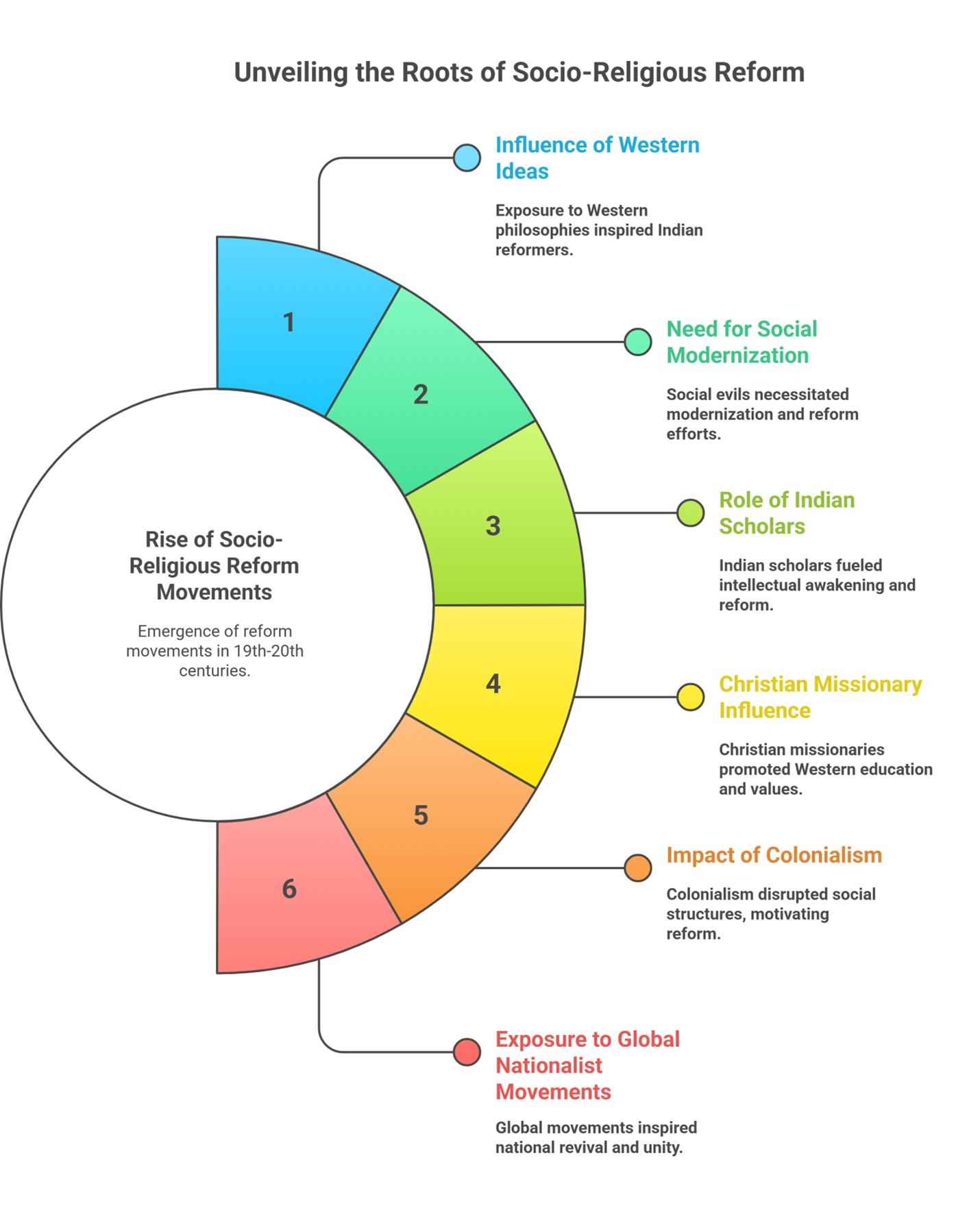
Several interconnected factors contributed to the emergence and growth of these reform movements during the 19th and early 20th centuries:
1. Influence of Western Ideas and Enlightenment Values
The British presence in India exposed Indian thinkers to Western philosophies, particularly ideas of liberty, equality, justice, and rationalism. Many Indian reformers were inspired by Enlightenment thought and sought to apply modern principles to reform Indian society.
2. Need for Social Modernization
Indian society, at the time, was weighed down by orthodox traditions and social evils. Reformers believed that progress and development were impossible without social change. They targeted several key issues:
- Subjugation of women: Women were denied education, economic rights, and freedom.
- Regressive practices: Customs like Sati, child marriage, and female infanticide severely marginalized women and needed urgent attention.
3. Role of Indian Scholars and Intellectuals
The intellectual awakening of the period, often referred to as the Bengal Renaissance, was fueled by the efforts of Indian scholars who sought to rediscover India’s cultural and literary heritage. Key contributors from Fort William College, such as:
- Mrityunjaya Vidyalankar
- Ramjay Tarkalankar
- Ram Ram Basu
Played a critical role in shaping modern Bengali prose, thereby strengthening the reformist spirit.
4. Christian Missionary Influence
While controversial, the work of Christian missionaries significantly contributed to the spread of Western education, particularly in regions like Bengal and Maharashtra. They introduced modern schooling systems and promoted values such as human rights and social equality.
5. Impact of Colonialism and Economic Shifts
British colonial rule brought about drastic economic and administrative changes, including:
- The creation of a centralized bureaucracy
- The rise of a modern capitalist economy
- The spread of urbanization and industrialization
These changes disrupted traditional social structures, leading to economic dislocation and identity crises, which in turn motivated efforts to redefine Indian society.
6. Growing Exposure to Global Nationalist Movements
During the latter half of the 19th century, reformers were inspired by global movements for national unity and independence, particularly in Italy, Germany, and other parts of Europe. This exposure fueled the desire for a national revival rooted in cultural pride and social progress.
Role of Socio-Religious Reform Movements
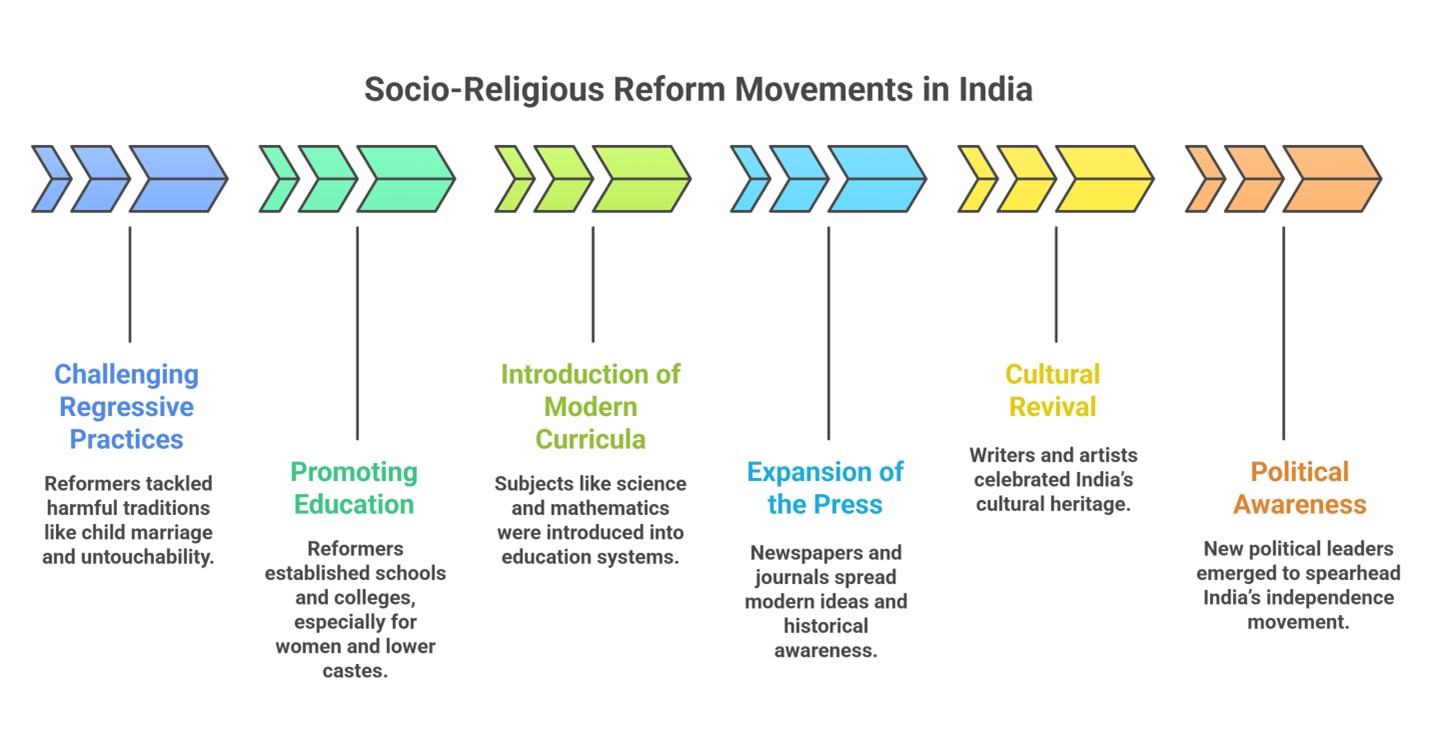
The socio-religious reform movements of the 19th century played an instrumental role in this renaissance. They brought attention to core issues such as caste oppression, gender inequality, and blind rituals. Their contributions were manifold:
- Challenging regressive practices: Reformers tackled harmful traditions like child marriage, untouchability, and female infanticide.
- Promoting education: Reformers established schools and colleges, especially for women and lower castes, who had historically been denied access.
- Introduction of modern curricula: Subjects like science, mathematics, and English literature were introduced into Indian education systems, broadening the intellectual horizon.
- Expansion of the press: The rise of newspapers and journals in English, Bengali, and regional languages helped spread modern ideas and historical awareness.
- Cultural revival: Writers, poets, artists, and musicians emerged who used their craft to celebrate India’s rich cultural heritage, contributing to a renaissance in Indian arts.
- Political awareness: The era gave rise to a new generation of political leaders who would eventually spearhead India’s independence movement.
Characteristics of Socio-Religious Reform Movements
Despite their diverse origins and strategies, these movements shared certain common features:
Regional and Religious Focus
- Many movements were regionally confined. For instance, Brahmo Samaj had its stronghold in Bengal, while Arya Samaj found popularity in Punjab.
- Several reform efforts were specific to particular religions or communities, focusing on internal reform.
Chronological and Geographic Diversity
- Reform movements emerged at different times across regions. While Bengal initiated reform in the early 19th century, areas like Kerala saw similar efforts only towards the century’s end.
Despite regional and religious boundaries, the movements had converging goals:
- Educated middle-class leadership: Most leaders were Western-educated, deeply influenced by liberal thought, and sought to reshape Indian society using rational principles.
- Social regeneration through education: Education was seen as the most effective tool for change.
- Universal human values: Movements emphasized equality, justice, and fraternity, cutting across caste and gender.
- Opposition to caste system: Reformers like Jyotiba Phule and Sri Narayana Guru strongly advocated the abolition of caste hierarchy.
- Empowerment of women and marginalized groups: These movements worked toward female emancipation, access to education, and property rights.
- Humanism and rationalism: A shared goal was to uplift the underprivileged and eliminate superstitions and dogmas.
- Self-respect and self-reliance: Indians were urged to cultivate self-pride and independence of thought, rather than blindly following outdated customs or foreign norms.
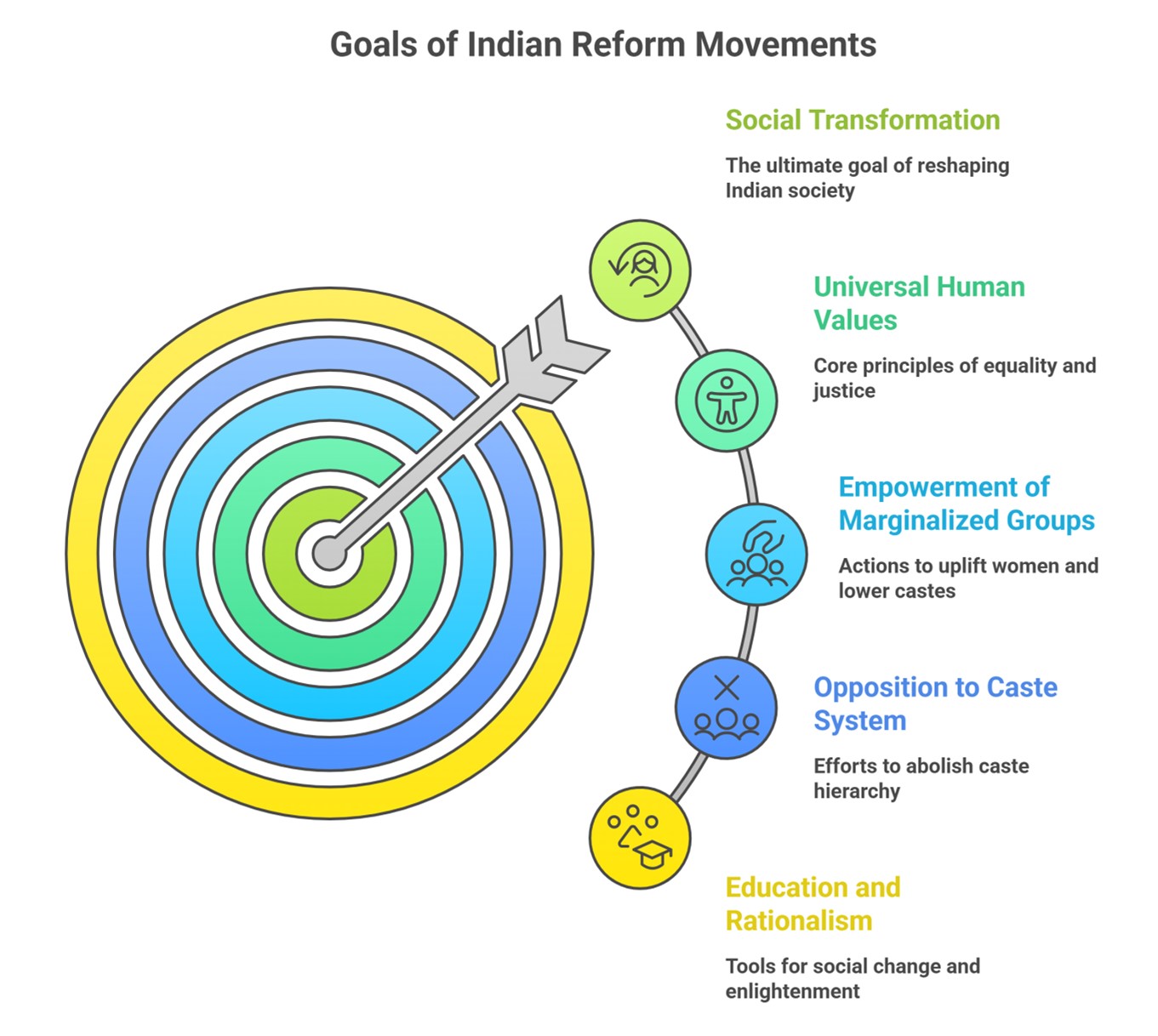
Thus, these reform movements were not isolated efforts but part of a larger awakening that gave rise to rationalism, humanism, and the foundation of a modern Indian identity.
Limitations of the Reform Movements
Despite their achievements, these movements were not without shortcomings:
- Urban-centric reach: Most reform activities were confined to urban elites and did not effectively reach the rural masses.
- Class and caste bias: Reformers primarily belonged to the upper castes and middle classes, and often ignored the plight of the poorest and most marginalized (with exceptions like Arya Samaj, Jyotiba Phule, and Dalit movements).
- Faith in British colonial rule: Many reformers, especially in the early phase, had overwhelming trust in British liberalism and aspired to model Indian society after Victorian Britain.
- Lack of unified national presence: Most movements remained localized, and few had a truly pan-Indian outreach.
Raja Ram Mohan Roy (1772–1833):
Raja Ram Mohan Roy was born on May 22, 1772, in Radhanagar in the Hooghly district of Bengal, into a deeply orthodox Brahmin family. Despite his conservative family background, he was exposed to a broad spectrum of religious philosophies, including Hinduism, Islam, and Christianity, from an early age. This wide exposure, coupled with his insatiable intellectual curiosity, enabled him to cultivate a uniquely syncretic worldview that harmonised Eastern spiritualism with Western rationalism, ultimately laying the foundation for his future reformist zeal.
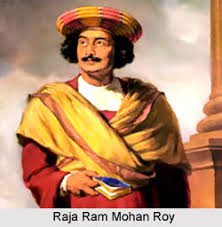
Pioneer of Modern Indian Reform
Raja Ram Mohan Roy is universally acknowledged as the first great modern leader of India. His vision extended far beyond his time, as he actively advocated for social, religious, educational, and political reform. In an age steeped in dogma and oppression, he emerged as a torchbearer of enlightenment, paving the way for India’s 19th-century socio-cultural renaissance.
Driven by a profound sense of patriotism and love for his people, Roy withstood personal grief, social ostracism, and ideological hostility to champion the cause of justice, equality, and national upliftment.
His Vision and Beliefs
Opposition to Orthodoxy and Social Injustice Roy challenged the regressive customs and blind traditions of Indian society, including:
- Idolatry and polytheism, which he viewed as deviations from true spiritual philosophy.
- Meaningless rituals and superstition propagated by a self-serving priestly class.
- Polygamy, child marriage, and the denial of women’s rights.
- Rigid caste hierarchies and the uncritical glorification of the past.
Advocacy for Progressive Values
- Monotheism: Advocated belief in a single, supreme deity, drawing upon Vedanta, Islamic Sufism, and Christian ethical teachings.
- Women’s Rights: Advocated the abolition of sati, promotion of widow remarriage, female education, and inheritance rights for women.
- Rationalism and Scientific Outlook: Emphasized logic, scientific thinking, and education as tools for societal regeneration.
- National Unity: Believed that social reform was a precursor to political freedom, and that unity across religions, castes, and classes was essential to build a modern Indian nation.
A Polymath and Linguistic Genius
Raja Ram Mohan Roy was a brilliant linguist and scholar, mastering over a dozen languages, including:
- Sanskrit, Persian, Arabic, English, French, Greek, Hebrew, and Latin.
He studied:
- Hindu philosophy and Sanskrit texts in Varanasi.
- Islamic theology, Quran, Persian, and Arabic literature in Patna.
- Biblical texts in Hebrew and Greek, in order to understand Christianity at its roots.
His diverse education gave him the tools to critique each religion’s dogma from within and propose a Universalist spiritual framework based on reason and ethics.
Reinterpretation of Hinduism and Religious Reform
A devout follower of Advaita Vedanta, Roy strongly rejected idol worship, ritual excesses, and caste discrimination. He held that the core Vedic scriptures, especially the Upanishads, were monotheistic in nature. To make these texts accessible to the broader public, he translated the Vedas and Upanishads into Bengali, making a powerful argument that Hinduism inherently upheld monotheism and reason, contrary to how it was practised.
He envisioned a universal religion that combined the moral tenets of Hinduism, Christianity, and Islam, promoting a global humanism and spiritual unity.
Raja Ram Mohan Roy was among the earliest and most vocal advocates for women’s rights in India. His efforts included:
- Campaigning tirelessly for the abolition of sati.
- Advocating for widow remarriage, female literacy, and inheritance rights.
- Condemning polygamy and the systematic subjugation of women.
He saw the upliftment of women as a necessary condition for the regeneration of Indian society.
Major Organizations and Contributions
Atmiya Sabha (1815)
- A private intellectual society in Calcutta where philosophical and social questions were debated.
- Served as the precursor to the Brahmo Samaj.
Brahmo Samaj (1828)
- Founded originally as the Brahma Sabha, later renamed Brahmo Samaj.
- Aimed at purifying Hinduism by promoting monotheism, rejecting idolatry, the caste system, and superstitious rituals.
- Advocated reason, morality, and Vedantic philosophy.
- After Roy’s death, it was revived and expanded by Debendranath Tagore and Keshub Chandra Sen.
Campaign against Sati
Roy’s most celebrated social reform was his struggle to abolish the barbaric practice of sati. He fought on multiple fronts:
- Public education and awareness through essays and lectures.
- Persuading British officials, arguing that sati had no scriptural justification.
- Highlighting economic and social factors that coerced widows into this practice.
His campaign succeeded in convincing Governor-General Lord William Bentinck, who passed Regulation XVII in 1829, officially banning sati.
Education Reforms
Roy saw education as the bedrock of social reform. His initiatives included:
- Collaborating with David Hare to establish the Hindu College (1817).
- Founding the English School in 1817 and Vedanta College in 1825, blending Western science with Indian philosophy.
- Encouraging Alexander Duff, who became a key figure in the introduction of English-medium education in India.
Political Advocacy and Early Indian Nationalism
Raja Rammohun Roy was a pioneer of political thought in India. He actively campaigned against:
- The Zamindari system and peasant exploitation.
- The monopoly of the East India Company and high export duties.
- Racial discrimination and absence of Indians in civil administration.
He advocated for:
- Separation of judiciary and executive.
- Trial by jury.
- Indianisation of government services.
He was the first Indian to initiate modern political agitations, sowing the seeds of India’s later nationalist movements.
Promotion of Press and Journalism
Rammohun Roy understood the power of the press in awakening public consciousness.
- Founded Sambad Kaumudi (Bengali, 1821) to propagate social reforms.
- Started Mirat-ul-Akhbar (Persian, 1822) for intellectual and political discourse.
- When the British introduced restrictive press laws in 1823, Roy protested strongly, highlighting the importance of a free press in civilised society.
Key Publications
- Tuhfat-ul-Muwahhiddin (1803): A treatise promoting religious tolerance and monotheism.
- Gift to Monotheists (1809): Emphasised belief in one God, opposing idolatry.
- Precepts of Jesus (1820): Distinguished Jesus’s ethical teachings from miracles, urging moral reform.
- Translated Upanishads and Vedas into Bengali to demonstrate their monotheistic essence.
Journal / Newspaper | Year | Language | Key Focus / Significance |
Bengal Gazette | 1816 | Bengali | • First Bengali newspaper • Promoted modern ideas and social reforms |
Sambad Kaumudi | 1821 | Bengali | • Focused on social and religious reforms • Advocated for abolition of Sati and women’s education |
Mirat-ul-Akbar | 1822 | Persian | • Addressed social, cultural, and political issues • Aimed to bridge British–Indian understanding |
Brahmanical Magazine | 1825 | English | • Countered orthodox Hindu beliefs • Promoted rationalism and progressive thinking |
In 1830, Roy travelled to England as an ambassador of Mughal Emperor Akbar II to appeal for the restoration of the Mughal titles and privileges. For this mission, the Emperor honoured him with the title “Raja”. While in England, he interacted with leading intellectuals, parliamentarians, and artists. His portrait was painted by Rembrandt Peale, a renowned American artist. Raja Rammohun Roy passed away in Bristol, England, on September 27, 1833, and was buried there. His tomb remains a site of commemoration for Indians and admirers worldwide.
Legacy and Associates
- Dwarkanath Tagore, a close associate and grandfather of Rabindranath Tagore, was instrumental in supporting Roy’s reformist and business ventures.
- Other followers included:
- Prasanna Kumar Tagore
- Chandrashekhar Deb
- Tarachand Chakravarti
The Brahmo Samaj, despite facing challenges, was revitalised by Debendranath Tagore and transformed into a wider reformist movement under Keshub Chandra Sen.
Opposition: The Dharma Sabha
- Founded in 1830 by Radhakanta Deb, the Dharma Sabha represented orthodox Hindu opposition to Roy’s reforms.
- It vehemently opposed the ban on Sati, even petitioning the Privy Council in England, but the ban remained.
- The Sabha also resisted the Hindu Widow Remarriage Act (1856), although the law passed under Lord Canning, marking another major step toward gender justice.
Debendranath Tagore (1817–1905):
Debendranath Tagore, the father of Nobel Laureate Rabindranath Tagore, was a towering figure in the 19th-century Indian Renaissance. He played a crucial role in reviving, reshaping, and expanding the socio-religious reform movement initially spearheaded by Raja Rammohun Roy. A philosopher, scholar, and spiritual reformer, Debendranath injected renewed energy, institutional structure, and philosophical coherence into the reformist cause in Bengal.
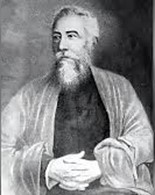
In 1839, he founded the Tatvabodhini Sabha, a society committed to religious education, ethical upliftment, and intellectual inquiry. Its primary aim was to make Indian religious texts more accessible to the people and to continue Rammohun Roy’s legacy of critical reform.
To disseminate its ideas, Debendranath launched the Tatvabodhini Patrika, a Bengali-language journal that became the mouthpiece of modern religious and philosophical thought in Bengal. Through its pages, critical perspectives on the Indian past and calls for social progress were articulated.
The Sabha attracted leading intellectuals and reformers of the time, including:
- Ishwar Chandra Vidyasagar – a renowned educationist and social reformer
- Akshay Kumar Dutt – a rationalist thinker and journalist
- Followers of Rammohun Roy and Henry Derozio
Reorganization of the Brahmo Samaj
In 1843, Debendranath formally joined and reorganized the Brahmo Samaj, which had been founded by Raja Rammohun Roy. Under his stewardship, the Samaj adopted a more introspective, spiritual tone. It began to emphasize monotheism rooted in Vedantic philosophy, reason-based belief, and a reformed form of worship devoid of rituals and idol worship.
However, Debendranath’s approach to social reforms was measured and conservative. He avoided overt confrontation with orthodox Hindus, preferring gradual change and philosophical persuasion over aggressive reform. This cautious strategy helped the Brahmo Samaj retain influence among a wider section of society.
Keshab Chandra Sen (1838–1884):
Keshab Chandra Sen joined the Brahmo Samaj in 1857 and rapidly emerged as a dynamic and influential leader. His oratorical brilliance, charisma, and unwavering commitment to social reform distinguished him from his contemporaries. Recognizing his talents, Debendranath Tagore appointed him Acharya (spiritual leader) of the Brahmo Samaj in 1858.
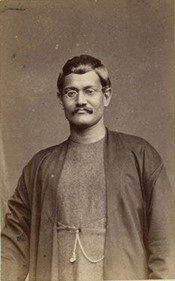
Social Reforms and the Ideological Divide
Sen believed that religious reform must go hand in hand with radical social transformation. As Acharya, he championed bold reforms such as:
- Complete abolition of the caste system
- Promotion of widow remarriage and female education
- Inter-caste marriages
- Prohibition of child marriage and polygamy
- Legal rights and social upliftment for women
While Debendranath focused on spiritual awakening and intellectual discourse, Keshab sought direct societal transformation. His activism made him immensely popular, especially among the youth and progressive circles, but also widened the ideological rift within the Brahmo Samaj.
Formation of New Branches
Bharatvarsheeya Brahmo Samaj (1868)
Due to irreconcilable ideological differences, Keshab Chandra Sen officially broke away from Debendranath’s Brahmo Samaj in 1868 and formed the Bharatvarsheeya Brahmo Samaj (The Brahmo Samaj of India). His new organization promoted universal brotherhood, inclusive nationalism, and aggressive social reform across caste and religious lines.
Sen undertook extensive lecture tours in Bombay, Madras, and other Indian cities, advocating for national regeneration through reformist and modernist ideals.
The Native Marriage Act of 1872
Keshab Sen played a pivotal role in persuading the British government to recognize Brahmo marriages, especially those that defied orthodox Hindu conventions. His lobbying led to the passage of the Native Marriage Act (Act III of 1872), which:
- Legally validated inter-caste marriages
- Allowed widow remarriage
- Recognized marriages conducted without Hindu rituals
This legislation was a groundbreaking achievement for social reformers and marked a significant departure from conservative social norms.
Controversy and Decline of Leadership
The Cooch Behar Marriage Scandal (1878)
Despite his achievements, Keshab Chandra Sen’s credibility suffered a severe setback in 1878. He arranged the marriage of his underage daughter to the minor prince of Cooch Behar, conducted using traditional Hindu rituals and officiated by orthodox Brahmin priests.
This act was seen as a betrayal of the very principles he espoused. It sparked widespread disillusionment among his followers, especially those committed to liberal and egalitarian ideals.
Backlash and Formation of the Sadharan Brahmo Samaj
In the wake of this scandal, progressive reformers such as Shibchandra Deb, Umesh Chandra Dutta, and Ananda Mohan Bose broke away and established the Sadharan Brahmo Samaj in 1878. This new faction called for:
- Democratic governance within the Samaj
- Transparency and accountability in leadership
- Rigorous adherence to reformist values
The split marked a significant reassertion of the original principles of the Brahmo movement.
The Indian Reform Association
Although often overlooked, Keshab Chandra Sen also played a foundational role in the Indian Reform Association—a secular and non-sectarian body that worked beyond religious confines. Its objectives were to combine Western scientific knowledge and modern education with Indian social realities. Key initiatives included:
- Promoting women’s education and social welfare
- Establishing adult night schools for workers
- Campaigns supporting widow remarriage
- Publishing scientific literature in regional languages to spread rational knowledge.
The Association marked an important expansion of social reform from religious premises to secular domains, engaging with wider sections of Indian society.
The Brahmo Samaj movement, from its inception by Raja Rammohun Roy to its evolution under Debendranath Tagore and Keshab Chandra Sen, underwent multiple transformations. Each leader brought unique contributions:
- Debendranath Tagore provided spiritual clarity and revived the movement with philosophical vigor and introspective leadership. His emphasis on Vedanta and rational monotheism reinforced a firm intellectual base.
- Keshab Chandra Sen revolutionized the Samaj with his bold vision of social equality, interfaith harmony, and legislative reform. Despite setbacks, his efforts led to unprecedented gains in women’s rights, legal reform, and national consciousness.
Though divisions weakened the organizational unity, the Brahmo Samaj’s legacy as a pioneering movement for religious, social, and educational reform remains unmatched. It inspired future reformers, strengthened civil society, and played a foundational role in India’s modern awakening and eventual freedom struggle.
Young Bengal Movement:
The Young Bengal Movement emerged in the early 19th century as one of the most intellectually vibrant and reformist currents within colonial Bengal. It marked a critical departure from traditional modes of thought, characterized by rationalism, skepticism of religious orthodoxy, and a fierce commitment to liberty and progress. This movement was spearheaded by the dynamic Anglo-Indian educator, poet, and thinker, Henry Vivian Derozio, who taught at the Hindu College in Calcutta. Through his progressive and often controversial teachings, Derozio sought to ignite a spirit of inquiry, liberal humanism, and socio-political awareness among his students.
Henry Vivian Derozio (1809–1831):
Appointed as a teacher at Hindu College in 1826 at the remarkably young age of 17, Henry Vivian Derozio quickly rose to prominence as a pioneer of rational and liberal thought in colonial India. A passionate admirer of the French Revolution, he infused his lectures with ideas of liberty, equality, fraternity, justice, and individual freedom.
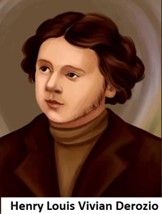
Derozio encouraged his students to:
- Question traditional authority and societal customs
- Reject superstition and religious dogma
- Adopt scientific temper and critical thinking
- Cultivate a sense of patriotism and social responsibility
Through his thought-provoking poetry and discourses, he instilled an early sense of national consciousness and pride in India’s cultural heritage. His famous poem, To India—My Native Land, remains one of the earliest modern expressions of Indian nationalism and historical grief.
Derozio’s students, later known as the Derozians or Young Bengal, carried forward his legacy of radical intellectualism and social critique. Though young and urban-centric, their efforts introduced new social, political, and philosophical paradigms in Indian thought. The movement, while confined to the educated elite of Calcutta, became a precursor to later nationalist and reformist endeavors.
The Derozians strongly advocated:
- Abolition of outdated religious practices and social taboos
- Women’s rights, especially in education and remarriage
- Freedom of the press, trial by jury, and civil liberties
- Opposition to the exploitative zamindari system and colonial injustices
Limitations and Decline
Despite its intellectual brilliance, the Young Bengal Movement remained limited in scope and influence due to several factors:
- Its radical ideas were ahead of their time, alienating the largely orthodox society
- The movement was restricted to urban elites and failed to resonate with the rural masses
- Lack of a coherent organizational structure or sustained grassroots mobilization limited its impact
Nonetheless, it left behind a powerful intellectual legacy that inspired future reformers and nationalist thinkers.
Ishwar Chandra Vidyasagar (1820–1891):
One of the most influential and revered reformers of 19th-century India, Ishwar Chandra Vidyasagar was a multifaceted scholar, humanitarian, and visionary. His efforts to reform society through education, women’s rights, and rational social practices set new benchmarks for progressive change in Bengal and beyond.
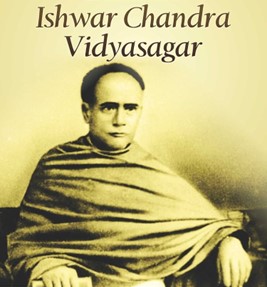
Vidyasagar achieved a remarkable synthesis between ancient Indian wisdom and modern rational values. While deeply grounded in Sanskrit scholarship and Hindu philosophy, he believed in modernizing Indian society to make it more inclusive, humane, and equitable.
He believed in:
- Legitimizing reforms through scriptural evidence, rather than antagonizing tradition
- Balancing reverence for cultural heritage with a firm rejection of regressive customs
Pioneer of Widow Remarriage Reform
Perhaps his most revolutionary contribution was his campaign to legalize and normalize widow remarriage:
- He cited Hindu scriptures to counter orthodox arguments and prove that widow remarriage was morally and religiously permissible
- Despite intense opposition from conservative factions like the Dharma Sabha, his advocacy led to the enactment of the Hindu Widows’ Remarriage Act (1856) under Lord Canning’s administration
- The first legal upper-caste Hindu widow remarriage, facilitated by Vidyasagar, took place in Calcutta in December 1856.
This reform was a landmark moment in the struggle for women’s dignity and social justice.
Vidyasagar viewed female education as fundamental to national regeneration:
- As Secretary of the Bethune School, one of India’s earliest girls’ schools, he played a crucial role in institutionalizing girls’ education
- Personally founded over 35 schools for girls and encouraged families to enroll their daughters
- His educational efforts empowered women and challenged deeply entrenched gender norms
Reform of Sanskrit Education
As Principal of Sanskrit College from 1851, Vidyasagar initiated radical academic reforms:
- Opened the college to non-Brahmin students, breaking the monopoly of upper castes
- Modernized the curriculum by including subjects like science, logic, and mathematics
- Ensured that education became inclusive and practical, preparing students for real-world challenges
Literary Contributions and Language Reform
A master of both Sanskrit and Bengali, Vidyasagar transformed Bengali prose and educational literature:
- Authored the iconic Barnaparichay, a primer still used to teach Bengali alphabet and language
- Promoted clarity, simplicity, and logic in Bengali prose, moving away from the ornate, Sanskritized style
Humanitarianism and Moral Integrity
Vidyasagar was driven not by ideology, but by deep compassion and a strong moral compass:
- Opposed polygamy, child marriage, and caste discrimination
- Helped the poor and marginalized, often spending his personal income on charity and relief work
- His life reflected a profound commitment to truth, equality, and service
Ramakrishna Mission:
Founded in the late 19th century, the Ramakrishna Mission marked a turning point in India’s religious and social evolution. Rooted in the teachings of Sri Ramakrishna Paramahansa and institutionalized by Swami Vivekananda, the mission fused Vedantic spirituality with humanitarian service, offering a new model for religious practice in modern India.
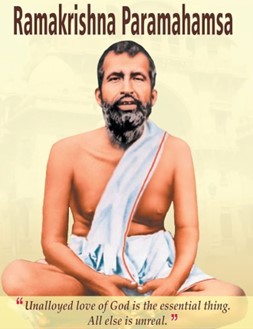
Sri Ramakrishna Paramahansa (1834–1886):
Sri Ramakrishna’s life and teachings emphasized spiritual universality and divine unity:
- A devout worshiper of Goddess Kali, he also practiced Islam and Christianity to explore their inner truths
- Concluded that all religions lead to the same ultimate reality, promoting interfaith harmony
- Emphasized selfless love, inner devotion, and the idea of “serving humanity as serving God”
- Inspired generations with his profound yet simple message: “As many faiths, so many paths”
Swami Vivekananda (1863–1902):
A brilliant philosopher and fiery orator, Swami Vivekananda brought Indian spirituality onto the global stage:
- As Ramakrishna’s foremost disciple, he traveled extensively to spread his master’s message
- Advocated spiritual upliftment combined with national awakening, urging youth to become agents of social change
- Rejected casteism, sectarianism, and ritualism, promoting universal brotherhood and self-reliance.
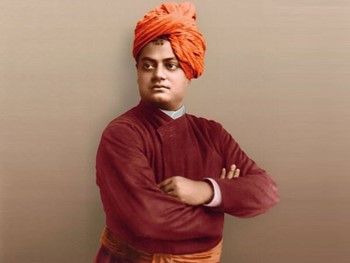
Chicago Parliament of Religions (1893):
At the World Parliament of Religions in Chicago, Vivekananda stunned the audience with his powerful opening, “Sisters and Brothers of America.”
- His eloquent presentation of Vedantic philosophy won international acclaim
- Asserted India’s spiritual greatness and called for religious tolerance, unity, and ethical living
- His speeches brought global respect to Indian thought and culture.
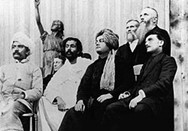
Establishment of the Ramakrishna Mission (1897):
In 1897, Vivekananda formally established the Ramakrishna Mission, rooted in two central objectives:
1. Dissemination of Sri Ramakrishna’s spiritual teachings
2. Service to humanity as a form of divine worship
This philosophy, known as Practical Vedanta, emphasizes the spiritual sanctity of every human being, promoting compassionate action as a sacred duty.
Multifaceted Activities and Enduring Impact
The mission’s contributions span across:
- Education: Establishment of schools, colleges, hostels, and vocational training institutes
- Healthcare: Running charitable hospitals, dispensaries, and mobile clinics
- Disaster Relief: Active during natural calamities and epidemics, providing food, shelter, and aid
- Interfaith Dialogue: Organizing seminars and publications promoting religious understanding
Belur Math:
Established in 1898 on the banks of the Ganga, Belur Math serves as the headquarters of:
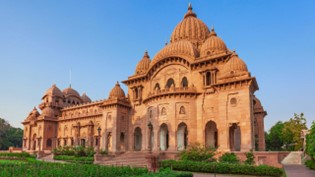
- Ramakrishna Math – focused on monastic life and spiritual practice
- Ramakrishna Mission – devoted to philanthropy, education, and public welfare
Although legally separate, both institutions work in complete harmony, guided by the same vision.
The reform movements led by Henry Derozio, Ishwar Chandra Vidyasagar, and Swami Vivekananda collectively laid the intellectual, moral, and spiritual foundations of modern India:
- Derozio introduced critical thinking, rationalism, and an early sense of nationalism
- Vidyasagar translated progressive ideals into tangible reforms in education, social justice, and women’s rights
- Vivekananda, through the Ramakrishna Mission, elevated religion to a tool for nation-building and service.
Together, their legacies continue to inspire India’s ongoing journey toward justice, inclusivity, and enlightenment.
Reforms in Western India
Manav Dharma Sabha (1844)
The Manav Dharma Sabha, established on 22nd June 1844 in Surat, Gujarat, holds the distinction of being one of the first socio-religious reform associations in Western India. Spearheaded by visionaries like Durgaram Mehtaji (Durgaram Manchharam Dave), Dadoba Pandurang, and others, the Sabha sought to infuse society with a spirit of truth, morality, and rational faith.
- Advocated a form of monotheism grounded in ethics and moral living.
- Actively condemned superstitions, black magic, witchcraft, and caste-based inequalities.
- Conducted weekly public meetings, urging people to adopt rationalism, promote widow remarriage, and practice social equality.
- Although ideologically akin to the Brahmo Samaj, it was an independently evolved movement.
- The Sabha was short-lived due to the relocation of its founders—Dadoba to Bombay in 1846 and Durgaram to Rajkot in 1852.
Students’ Literary and Scientific Society (1848)
This progressive society was formed in 1848 in Bombay by members of the Native Literary Society, including stalwarts like Naoroji Furdunji, Dadabhai Naoroji, Bhau Daji, Jagannath Shankarshet, and others.
- Aimed to nurture a scientific temperament and literary interests among the youth.
- Held fortnightly meetings featuring presentations on scientific and social issues.
- Deliberately excluded political and religious discourse to maintain focus on social reform.
- Operated two vernacular branches:
- Gujarati Dnyan Prasarak Mandali
- Marathi Dnyan Prasarak Mandali
- Took pioneering steps to promote female education by setting up schools with support from reformers such as Jagannath Shankarshet, Bhau Daji, and Khershedji Cama.
Paramahansa Mandali (1849)
In 1849, reformists including Dadoba Pandurang and Durgaram Mehtaji founded the Paramahansa Mandali in Maharashtra. It became the first organized socio-religious reform body in the region.
- Advocated monotheism, women’s education, and inter-caste dining.
- Meetings were held secretly to evade conservative backlash.
- Though it eventually dissolved, its ideals were resurrected in 1867 as the Prarthana Samaj.
Prarthana Samaj (1867)
Motivated by Keshub Chunder Sen’s reformist vision, Dr. Atmaram Pandurang founded the Prarthana Samaj in 1867 in Bombay. Key figures included M.G. Ranade, R.G. Bhandarkar, and N.G. Chandavarkar.
- Aimed to reform Hinduism from within rather than creating a new sect.
- Embraced monotheism, spiritual devotion, and social inclusivity.
- Incorporated Marathi Bhakti traditions and writings of saints to appeal to the masses.
- Championed:
- Inter-caste dining and intermarriage
- Female education and widow remarriage
- Establishment of night schools, orphanages, and asylums
- Published Subodha Patrika, which became its reformist voice.
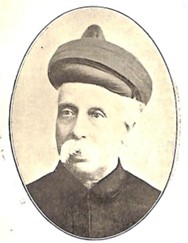
Intellectual Resistance to Colonial Rule
The 19th century witnessed a surge in intellectual opposition to British colonialism, led by educated Indians in Western India through press, literature, and public debate.
Balshastri Jambhekar (1812–1846)
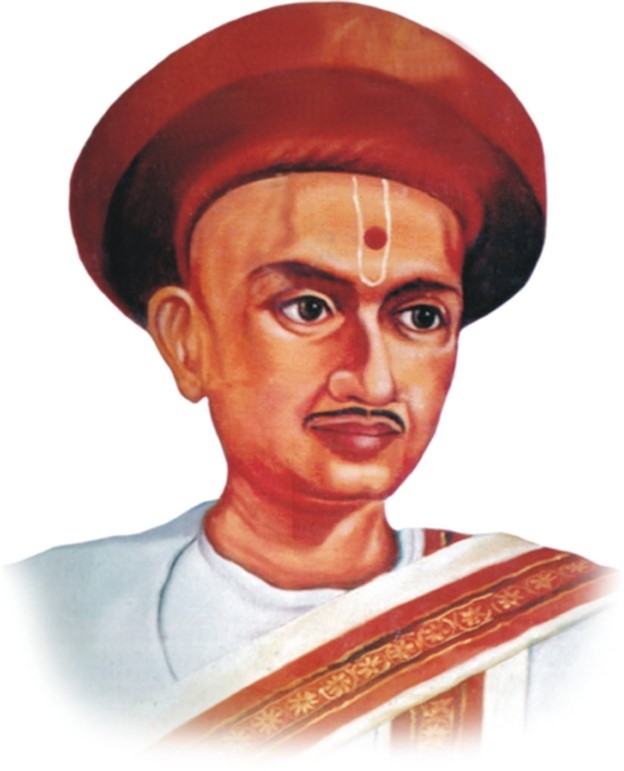
- Known as the Father of Marathi Journalism.
- Launched Bombay Darpan (1832), the first Marathi newspaper.
- Advocated social reform through science and education.
- Founded Digdarshan (1840), a monthly magazine promoting scientific knowledge.
Bhaskar Pandurang Tarkhadkar (1816–1847)
- Pioneered the economic drain theory.
- Authored a series of critical essays in the Bombay Gazette (1841) under the pseudonym ‘A Hindoo’.
- Criticized British economic exploitation, racial injustice, and colonial historiography.
Bhau Mahajan (Govind Vitthal Kunte, 1815–1890)
- Among the first professional Marathi editors.
- Led reform through newspapers like Prabhakar and Dhumketu.
- Highlighted the negative impact of colonial industrialization on local industries.
Jagannath Shankarshet (1803–1865)
- A revered philanthropist and educationalist, often called the Architect of Modern Bombay.
- Played a pivotal role in founding:
- Elphinstone College (1835)
- Grant Medical College (1845)
- Bombay University (1857)
- Was instrumental in India’s first railway initiative (1853).
- Co-founded the Bombay Association (1852) and joined the Bombay Legislative Council (1861).
Gopal Hari Deshmukh (Lokahitawadi) (1823–1892)
- Authored the powerful series Shatapatre (100 Letters) in Prabhakar (1848–1850).
- Critiqued social evils like child marriage, casteism, priestly domination, and gender inequality.
- Championed reason-based reform, independent of religious validation.
Vishnu Parashuram Shastri Pandit (1827–1876)
- Advocate for widow remarriage.
- Founded the Vidhva Vivaha Uttejak Mandal (1866).
- Translated Vidyasagar’s work and contributed to Indu Prakash, a reformist journal.
Mahadev Govind Ranade (1842–1901)
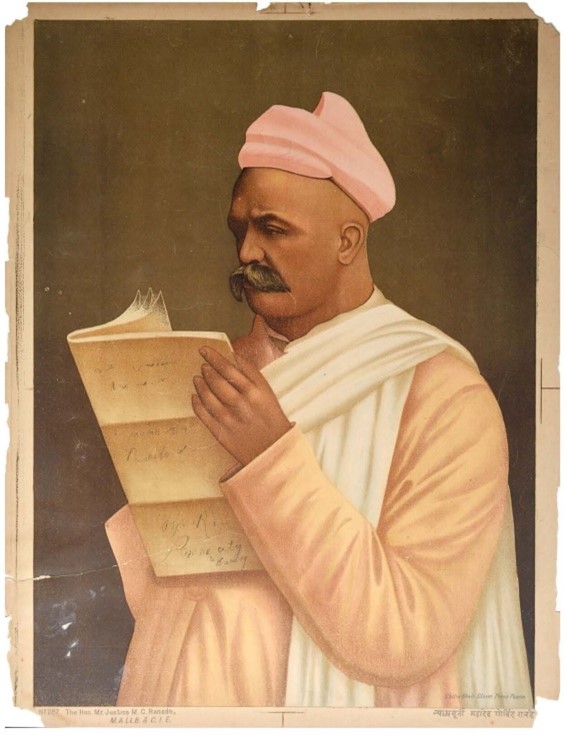
- Renowned as Justice Ranade, he was a judge, historian, economist, and reformer.
- Associated with Prarthana Samaj, Pune Sarvajanik Sabha, and the Indian National Congress.
- Advocated for gradual and peaceful reform that respected cultural continuity.
- Emphasized education, monotheism, women’s rights, and abolition of caste discrimination.
Ramakrishna Gopal Bhandarkar (1837–1925)
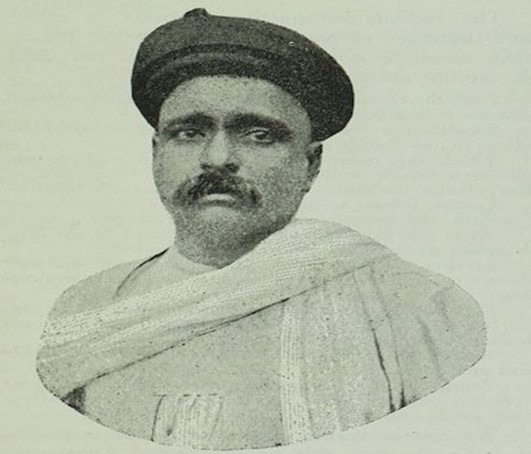
- A scholar and reformer who became the first Indian Vice-Chancellor of Bombay University.
- Promoted widow remarriage and women’s education, opposing child marriage and caste-based inequalities.
- Organized the remarriage of his own daughter in 1891, defying orthodoxy.
- Honored through the founding of the Bhandarkar Oriental Research Institute (1917).
Pandita Ramabai Sarasvati (1858–1922)
- Eminent Sanskrit scholar and a pioneer for upper-caste Hindu women’s rights.
- Founded Arya Mahila Samaj (1882) and Sharada Sadan (1889) to aid and educate widows.
- Converted to Christianity amid orthodox resistance.
- Awarded the Kaiser-i-Hind Medal (1919) for her social work.
Maharshi Dhondo Keshav Karve (1858–1962)
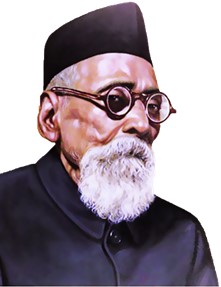
- Tireless advocate of women’s education and widow remarriage.
- Married a widow in 1883, setting a social example.
- Established:
- Widow Remarriage Association (1893)
- Mahilashram (1896)
- India’s first Women’s University (SNDT) in 1916
Gopal Ganesh Agarkar (1856–1895)
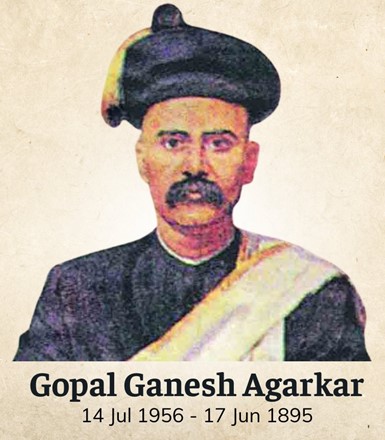
- Bold social reformer and rationalist.
- Early editor of Kesari, later founded Sudharak (1887) to advocate reform.
- Promoted women’s rights, anti-casteism, and scientific thought.
- Part of foundational institutions:
- New English School (1880)
- Deccan Education Society (1884)
- Fergusson College (1885)
- Had ideological differences with Tilak, opposing his conservative stance and stressing the primacy of social reform.
Western India in the 19th century became a crucible of transformative thought and action, driven by visionary reformers who sought to rebuild society on the foundations of justice, equality, and rationalism. Their legacies, institutions, and writings became cornerstones of India’s freedom struggle and continue to inspire modern social movements.
Reforms in North India
Swami Dayanand Saraswati (1824–1883) and the Arya Samaj
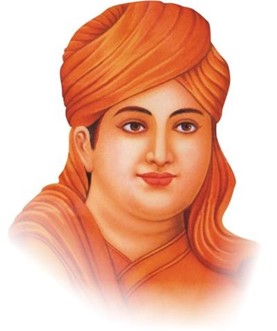
Swami Dayanand Saraswati was a pioneering Hindu thinker, reformer, and revivalist who spearheaded a dynamic transformation of Hinduism in North India. In 1875, he established the Arya Samaj in Bombay, which soon became a powerful force for religious purification and social reform, especially after its influential branch was set up in Lahore in 1877.
Critique of Religious Orthodoxy
- Swami Dayanand rejected the authority of the Puranas, which he believed had been manipulated by self-serving priests to spread superstition and exploit the ignorant masses.
- He upheld the Vedas as the infallible source of knowledge, but not in a dogmatic way—insisting that every individual had the right to interpret them rationally and scientifically.
“Go Back to the Vedas”
- His famous call to “Go Back to the Vedas” symbolized a return to the pure, original Hinduism, which he saw as a monotheistic, egalitarian, and rational faith, free from caste-based discrimination, idol worship, and superstition.
Key Social Reforms
Swami Dayanand advocated for:
- Abolition of the caste hierarchy, idol worship, polytheism, and ritualism
- Promotion of inter-caste marriage and widow remarriage
- Female education and scientific learning
- A blend of Western education with Vedic wisdom.
Though rooted in Vedic tradition, his conclusions were progressive and modern, pushing for a society based on merit, reason, and equality.
Educational Initiatives
- Lala Hansraj founded the first Dayanand Anglo-Vedic (DAV) College in Lahore in 1886, which merged modern subjects with Vedic values.
- In 1902, Swami Shraddhanand established a Gurukul near Haridwar, offering traditional Indian education focused on discipline, self-reliance, and cultural pride.
Promotion of Swadeshi and Swaraj
Swami Dayanand Saraswati was among the first Indian thinkers to advocate for the ideals of Swadeshi (economic self-reliance) and Swaraj (self-rule). Long before these became rallying cries of the national movement, he emphasized the importance of India relying on its own resources and governance.
His vision laid the intellectual groundwork for future leaders of the freedom struggle. Reformers and nationalists like Lala Lajpat Rai, Bipin Chandra Pal, and Swami Shraddhanand drew direct inspiration from his teachings, carrying forward the torch of independence rooted in cultural pride and economic autonomy.
Shuddhi Movement
The Shuddhi (purification) movement, led by the Arya Samaj, aimed to reconvert those who had left Hinduism (especially to Islam or Christianity) back to the Hindu faith.
- While it reasserted Hindu identity, it also led to religious tensions, particularly in the early 20th century, contributing to communal polarization in some areas.
Comparison with Brahmo Samaj
- The Arya Samaj was more assertive and conservative, promoting Vedic revivalism and militant reform.
- In contrast, the Brahmo and Prarthana Samaj were influenced by Western liberalism, advocating universalism and gentler, secular reforms.
Satyarth Prakash
Swami Dayanand’s seminal work, Satyarth Prakash (The Light of Truth), published in 1875 (and revised in 1882), became the philosophical foundation of the Arya Samaj.
- The book upholds truth, rationalism, and the authority of the Vedas.
- It has been translated into over 20 languages and continues to influence reformist thought within Hinduism.
Reforms in South India
Veda Samaj (1864)
Founded in Chennai in 1864, the Veda Samaj was inspired by the reformist ideas of Keshub Chandra Sen and the Brahmo Samaj.
- Advocated monotheism and rational worship.
- Opposed caste-based hierarchy, idol worship, and ritualism.
- Supported widow remarriage, female education, and social equality.
- Chembeti Sridharalu Naidu played a vital role by translating Brahmo texts into Tamil and Telugu, expanding the movement’s reach.
Theosophical Society (1875)
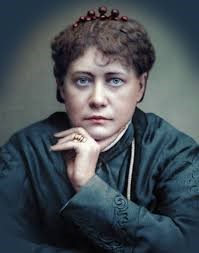
- Founded in New York in 1875 by Madame H.P. Blavatsky and Colonel H.S. Olcott, the Society shifted its headquarters to Adyar (Madras) in 1879, becoming a major reformist influence in South India.
Objectives and Philosophical Outlook
- Revived ancient spiritual traditions such as Hinduism, Buddhism, and Zoroastrianism.
- Promoted concepts like universal brotherhood, reincarnation, and karma.
- The Society’s efforts helped restore pride in Indian culture, though often tinged with romanticized views of the past.
Annie Besant’s Contributions
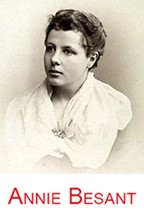
Annie Besant, a British-born theosophist, social reformer, and Indian nationalist, became the face of the Theosophical Movement in India.
- Founded the Central Hindu School in Banaras (1898), which evolved into Banaras Hindu University (1916) under Madan Mohan Malaviya.
- Published nationalist newspapers Commonweal and New India.
- Launched the Home Rule League in 1916, demanding self-governance for India.
- Became the first woman President of the Indian National Congress in 1917.
- Established the Besant Theosophical College (1915) in Madanapalle, Andhra Pradesh.
Madanapalle and the National Anthem
- During his stay in 1919, Rabindranath Tagore translated “Jana Gana Mana” into English as “Morning Song of India” at the Theosophical College.
- Margaret Cousins, wife of the college principal, composed the first musical score for the anthem.
- Tagore described the college as “Shantiniketan of the South.”
- “Jana Gana Mana” was officially adopted as India’s National Anthem on January 24, 1950.
Women’s Indian Association (WIA) – 1917
The Women’s Indian Association was established on 7 May 1917 in Adyar, Madras, by Annie Besant, Margaret Cousins, Dr. Muthulakshmi Reddy, Sister Subbalakshmi, and Sarojini Naidu.
Key Objectives
- Eradication of child marriage and the Devadasi system
- Promotion of women’s education, literacy, and empowerment
- Advocacy for women’s suffrage and political participation
- Published the reformist journal Stri-Dharma.
- Submitted petitions to the Southborough Committee in 1918, demanding voting rights for Indian women.
The socio-religious reform movements in North and South India during the 19th and early 20th centuries were instrumental in reshaping Indian society. From Swami Dayanand Saraswati’s call for Vedic purity to Annie Besant’s campaign for education and nationalism, these reformers challenged centuries-old orthodoxy, empowered marginalized communities, and laid the ideological foundation for India’s freedom struggle.
Their contributions resonate even today, serving as powerful reminders of the enduring need for rationality, equality, cultural pride, and social justice in the making of modern India.
Religious Reform Among the Parsis
Rehnumai Mazdayasan Sabha (1851)
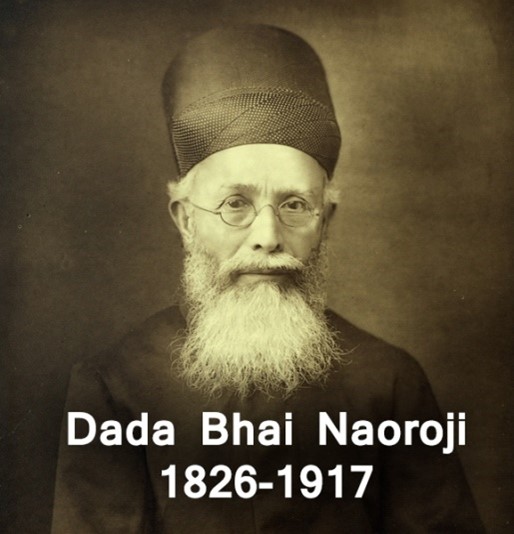
The Rehnumai Mazdayasan Sabha, or Religious Reform Association, was established in 1851 by Naoroji Furdonji, Dadabhai Naoroji, and S.S. Bengalee. It marked the beginning of religious and social reform within the Parsi community.
- The Sabha was instrumental in modernizing Parsi social practices.
- It advocated for women’s education, legal equality, and uniform laws on inheritance and marriage.
- As a result of these reform efforts, the Parsis quickly became one of the most Westernized communities in India by the late 19th century.
Religious Reform Among Muslims
For a long time, upper-class Indian Muslims remained aloof from Western education and modern ideas. Reform came gradually, starting with the establishment of the Mohammedan Literary Society in 1863, founded by Nawab Abdul Latif in Calcutta.
- The society aimed to introduce Western thought to Muslims through English-language education.
- It encouraged open discussion on social, religious, and political issues and promoted rational interpretation of Islamic teachings.
Sir Syed Ahmad Khan (1817–1898) and the Aligarh Movement
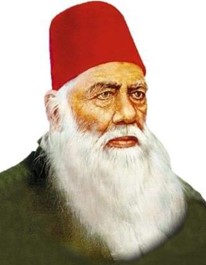
Sir Syed Ahmad Khan was a visionary reformer who spearheaded the Aligarh Movement, a transformative effort to modernize Muslim society.
Educational and Social Vision
- Founded the Muhammadan Anglo-Oriental College in Aligarh in 1875, which later evolved into Aligarh Muslim University, the first of its kind in South Asia.
- Promoted scientific learning, rational thought, and female education.
- Translated Western texts into Urdu and emphasized the need for Muslims to embrace modernity.
Religious Philosophy
- Interpreted the Quran in the light of science and reason.
- Asserted that any interpretation of the Quran contradicting logic or nature was a misinterpretation.
- Condemned purdah, polygamy, and religious orthodoxy.
Political Stance
- Advocated Hindu-Muslim unity early on, but later expressed fears of Hindu political dominance.
- Urged Muslims to stay away from politics temporarily and focus on education.
- Opposed the Indian National Congress and founded the Indian Patriotic Association in 1888, with Raja Shiv Prasad Singh.
Legacy and Controversy
- Though knighted by the British in 1888, his avoidance of political confrontation and appeasement of orthodox Muslims led to accusations of promoting communalism.
- Despite criticism, his educational reforms uplifted a marginalized community and laid the foundation for modern Islamic education in India.
Deobandi Movement (Darul Uloom, 1867)
The Deobandi School, founded in 1867 in Deoband, Uttar Pradesh, was a revivalist Islamic movement that resisted Western influence.
- Key founders: Muhammad Qasim Nanautavi and Rashid Ahmad Gangohi.
- Emphasized traditional Islamic teachings and opposed the Aligarh Movement.
- Supported the Indian National Congress and was anti-British, unlike the pro-British stance of Sir Syed.