
Underlying Causes of People’s Uprisings
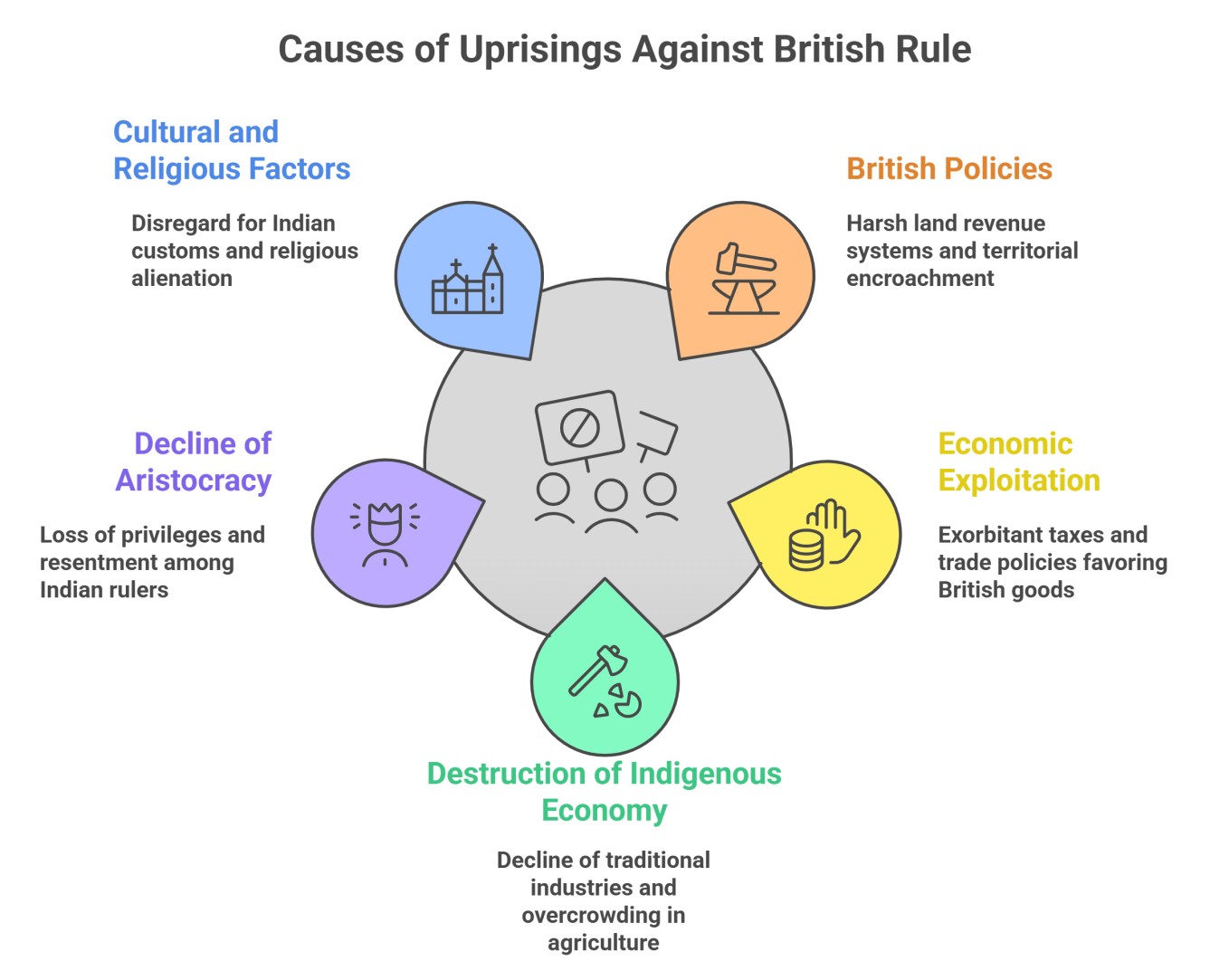
The multitude of popular uprisings against the British during the 18th and 19th centuries was driven by a variety of deep-rooted socio-economic and political factors:
1. British Policies and Economic Exploitation
- Harsh land revenue systems like the Permanent Settlement in Bengal, Ryotwari, and Mahalwari in other regions, extracted exorbitant taxes from peasants, leading to widespread land alienation.
- British policies encroached upon tribal territories, dismantling long-standing rights over forests and agricultural lands, disrupting traditional livelihoods.
- The rise of moneylenders, revenue farmers, and absentee landlords further deepened rural exploitation.
2. Destruction of Indigenous Economy
- Colonial trade policies promoted British manufactured goods while imposing crippling export duties and tariffs on Indian-made textiles and handicrafts.
- The destruction of India’s traditional industries pushed artisans and craftsmen into agriculture, leading to overcrowding of agrarian economy and increased poverty.
3. Decline of the Traditional Aristocracy
- With British annexations, many Indian rulers, zamindars, and poligars lost their privileges, estates, and revenue rights.
- These groups, having once been at the top of the social order, now harbored strong resentment against colonial officials and the emerging class of British-backed merchants and moneylenders.
4. Cultural and Religious Factors
- British disregard for Indian customs, combined with Christian missionary activity and foreign domination, alienated religious and priestly classes.
- The loss of patronage from deposed rulers also meant that Brahmins, priests, and temple staff were economically weakened and socially sidelined.
- The foreign character of British rulers, their arrogant treatment of Indians, and perceived contempt for native traditions wounded the collective pride of the indigenous population.
Civil Uprisings (1757–1857)
Civil uprisings during British rule refer to non-military, non-tribal rebellions that were spearheaded by dispossessed feudal classes and supported by a wide base of peasants, artisans, and dismissed soldiers. These movements were attempts by the native elite to reclaim lost authority, land, and social position.
Key Participants
- Deposed Rajas, Nawabs, and heirs of conquered states.
- Displaced zamindars and poligars (feudal lords in South India granted land in return for military service).
- Ex-soldiers, retainers, and officials of defeated Indian kingdoms.
- Unemployed artisans, impoverished peasants, and disbanded troops often formed the mass base.
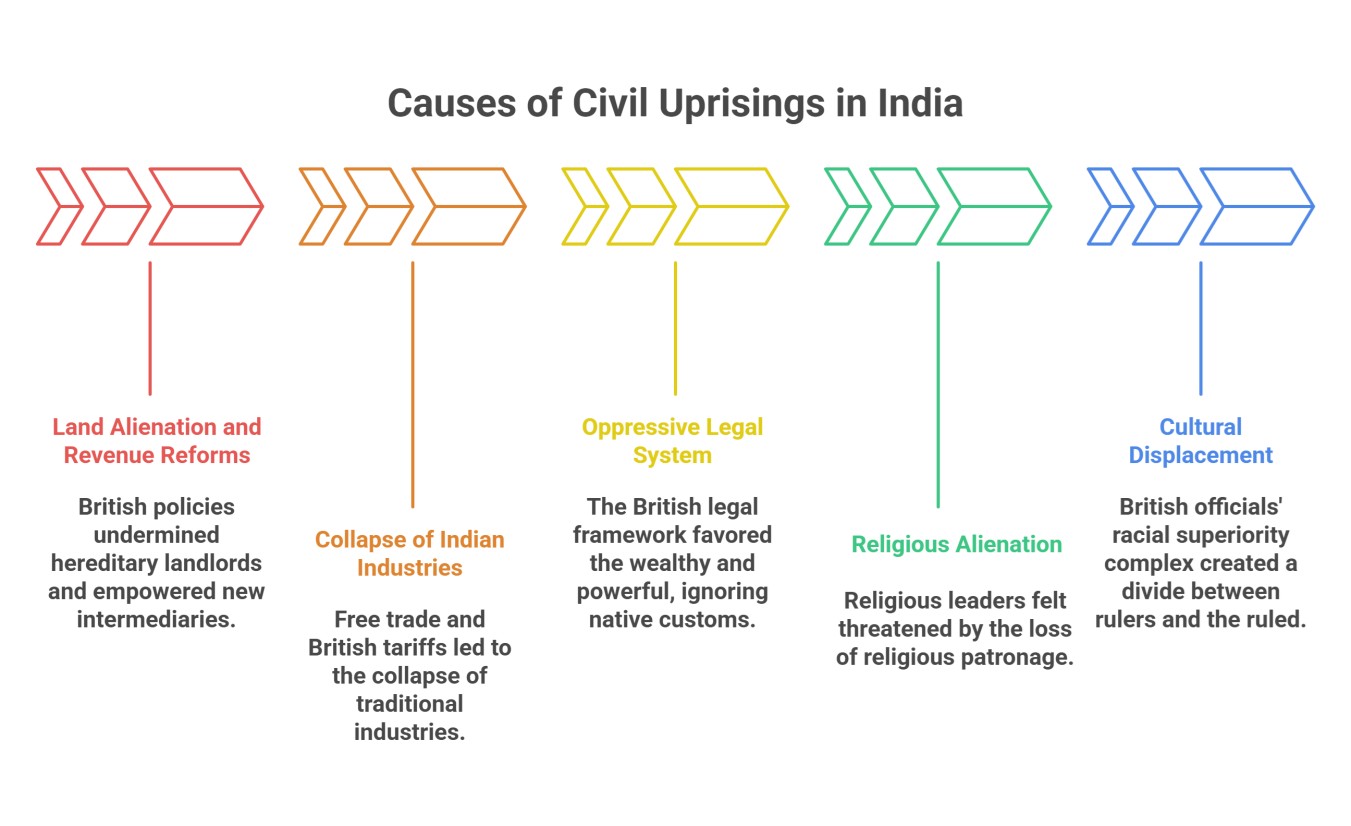
Causes of Civil Uprisings
1. Land Alienation and Revenue Reforms:
- British land revenue systems undermined hereditary landlords, while empowering new intermediaries loyal to the Company.
- Poligars and zamindars, especially in regions like Tamil Nadu and Andhra Pradesh, were pushed to rebellion after losing ancestral rights.
2. Collapse of Indian Industries:
- The introduction of free trade and British tariffs led to the collapse of India’s traditional textile and craft industries, leaving millions jobless.
3. Oppressive Legal System:
- The British legal framework disproportionately favored the wealthy and powerful, often ignoring native customs and systems of justice.
- Corruption in the lower ranks of police, judiciary, and administration added to public disillusionment.
4. Religious Alienation:
- Religious leaders, particularly from the priestly class, felt threatened by the fall of native rulers and loss of religious patronage.
- Many saw British rule as a spiritual threat and worked to mobilize mass resentment.
5. Cultural Displacement:
- The racial superiority complex of British officials, their refusal to integrate with Indian society, and their alien social customs created a deep divide between rulers and the ruled.
1. The Sanyasi Rebellion (1763–1800)
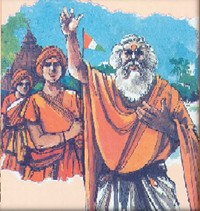
One of the earliest manifestations of resistance against colonial rule, the Sanyasi Revolt, was primarily a response to the devastating Bengal famine of 1770, exacerbated by the exploitative revenue policies of the British East India Company.
- Sparked by economic distress and famine-induced desperation, the rebellion attracted peasants, disbanded soldiers, impoverished zamindars, and ascetic wanderers (sanyasis and fakirs).
- The rebellion involved raids on British factories, treasuries, and establishments, mostly in Bengal and North Bengal.
- Key figures included Majnum Shah, Chirag Ali, Musa Shah, and Bhawani Pathak, the latter of whom fought alongside Debi Chaudhurani, a female rebel leader whose participation emphasized the role of women in early resistance.
- The rebellion was notable for its Hindu-Muslim unity, often referred to as the Fakir-Sanyasi Rebellion.
- It was eventually crushed by Warren Hastings, but it left a lasting cultural impression, inspiring Bankim Chandra Chattopadhyay’s novels “Anandamath” and “Devi Chaudhurani”, celebrating patriotic resistance.
10.Poligars’ Revolt (1795–1805)
The Poligars, also known as palayakkarargal, were influential feudal chieftains in South India who exercised significant military and administrative authority over their domains. Between 1795 and 1805, they orchestrated a series of uprisings against British encroachment, particularly in regions such as Tinneveli, Ramanathapuram, Sivaganga, Sivagiri, Madurai, and North Arcot.
- Causes: The conflict was ignited by the 1781 decision of the Nawab of Arcot to hand over administrative control of the Tinneveli and Carnatic provinces to the East India Company. The Poligars, who viewed themselves as autonomous rulers, interpreted this move as a grave violation of their sovereignty.
- First Phase (1795–1799): The initial wave of resistance was spearheaded by the formidable Veerapandiya Kattabomman of Panjalankurichi. Though the revolt was initially framed as a protest against unjust taxation, it soon acquired a political character symbolizing defiance against British domination. Kattabomman managed to defeat Company forces in early skirmishes but was later betrayed by Ettappan, the Raja of Pudukottai. He was captured and executed by the British in a symbolic display of colonial authority.
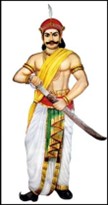
- Second Phase (1801): Several imprisoned Poligar leaders, including Kattabomman’s brother Oomathurai and Maruthu Pandian, escaped confinement and launched renewed resistance. They captured key forts and momentarily seized Tuticorin. Despite initial success, British reinforcements soon overpowered them. The British razed Panjalankurichi Fort and quelled the rebellion with harsh reprisals.
- Third Phase (1803–1805): The final phase unfolded in North Arcot, where Poligars rebelled against the British decision to strip them of their traditional right to collect kaval** (security) fees**. The revolt led to widespread unrest and lawlessness, which the British suppressed by early 1805.
- Impact: This prolonged and widespread rebellion reflected early nationalist sentiments. The Poligars’ proclamations called for independence from foreign rule, making the movement one of the earliest organized expressions of anti-colonial resistance in India.
13. Bundelkhand Disturbances (1808–1812)
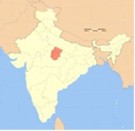
- Context: After the Second Anglo-Maratha War, the British sought to impose their rule over Bundelkhand. However, local Bundela chieftains resisted colonial intrusion into their hereditary territories.
- Key Figures: Leaders such as Lakshman Dawa of Ajaygarh Fort, Darya Singh of Kalanjar Fort, and adventurer Gopal Singh spearheaded the resistance.
- Suppression: The British resorted to Ikarnamahs (contractual obligations) to restrict the authority of hereditary chieftains and enforce loyalty. The policy ultimately subdued regional resistance, allowing for greater colonial consolidation.
14. Parlakimedi Outbreak (1813–1834)
- Region: Western Ganjam district (modern-day Odisha)
- Leaders: The rebellion was led by several zamindars, with Raja Narayan Deo being a prominent figure opposing British expansion.
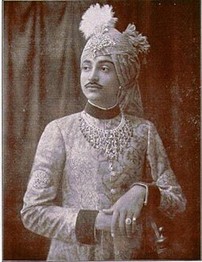
- Cause: Resistance stemmed from British attempts to annex and administer the territory more directly, threatening the existing power structure.
- Suppression: By 1834, British Commissioner George Russell succeeded in pacifying the region through a mix of military action and administrative negotiation.
19. Ahom Revolt (1828)
- Leaders: Prince Gomdhar Konwar and his associates
- Cause: Following the First Anglo-Burmese War, the British sought to integrate Ahom territories into their domain, triggering local resistance.
- Action: Prince Gomdhar Konwar declared himself king and led a rebellion to reclaim Ahom sovereignty.
- Outcome: The British pursued a conciliatory approach, restoring part of Upper Assam to Maharaja Purandar Singh Narendra, effectively diffusing the unrest.
22. Paika Rebellion (1817)
- Region: Odisha
- Leaders: Bakshi Jagabandhu Bidyadhar, supported by Mukunda Deva, the last Raja of Khurda
- Background: The Paikas, who held land under rent-free tenures for military service, were gradually dispossessed by colonial land revenue reforms following British conquest in 1803.
- Action: The rebellion, driven by guerrilla tactics, spread rapidly across Odisha and managed to temporarily dislodge British forces.
- Suppression: By 1818, the rebellion was crushed. Jagabandhu either surrendered or was captured (sources vary), and he died in captivity in 1829.
- Significance: The uprising prompted major concessions, including reductions in land assessments, relief from arrears, and changes in the zamindari system.
23. Wahabi Movement (1830s–1880s)
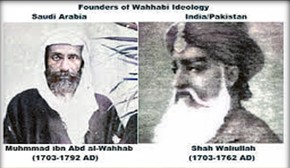
- Founder: Syed Ahmed of Rai Bareilly, influenced by the teachings of Abdul Wahab and Shah Waliullah
- Ideology: The movement promoted a return to purist Islam and called for the rejection of British rule and Western influence.
- Centers: Important centers included Patna, Sithana, and other parts of Northern India.
- Action: Initially directed against the Sikh Empire in Punjab, the movement later evolved into an anti-British jihad.
- Suppression: British authorities cracked down on Wahabi networks with arrests, trials, and military campaigns. Nevertheless, the movement survived into the late 19th century, maintaining a spirit of resistance.
Military Uprisings Before 1857
Military uprisings prior to the great Revolt of 1857 were not isolated incidents but part of a broader wave of resistance against British colonial rule. These early revolts, although less coordinated and more localized, exposed growing unrest within the ranks of the native Indian soldiers or sepoys. Discontent among the armed forces stemmed from a combination of discriminatory practices, religious insensitivity, and socio-economic grievances. These revolts laid the ideological and psychological groundwork for the more widespread and organized Indian Rebellion of 1857, often described as the First War of Indian Independence.
Causes of Military Uprisings
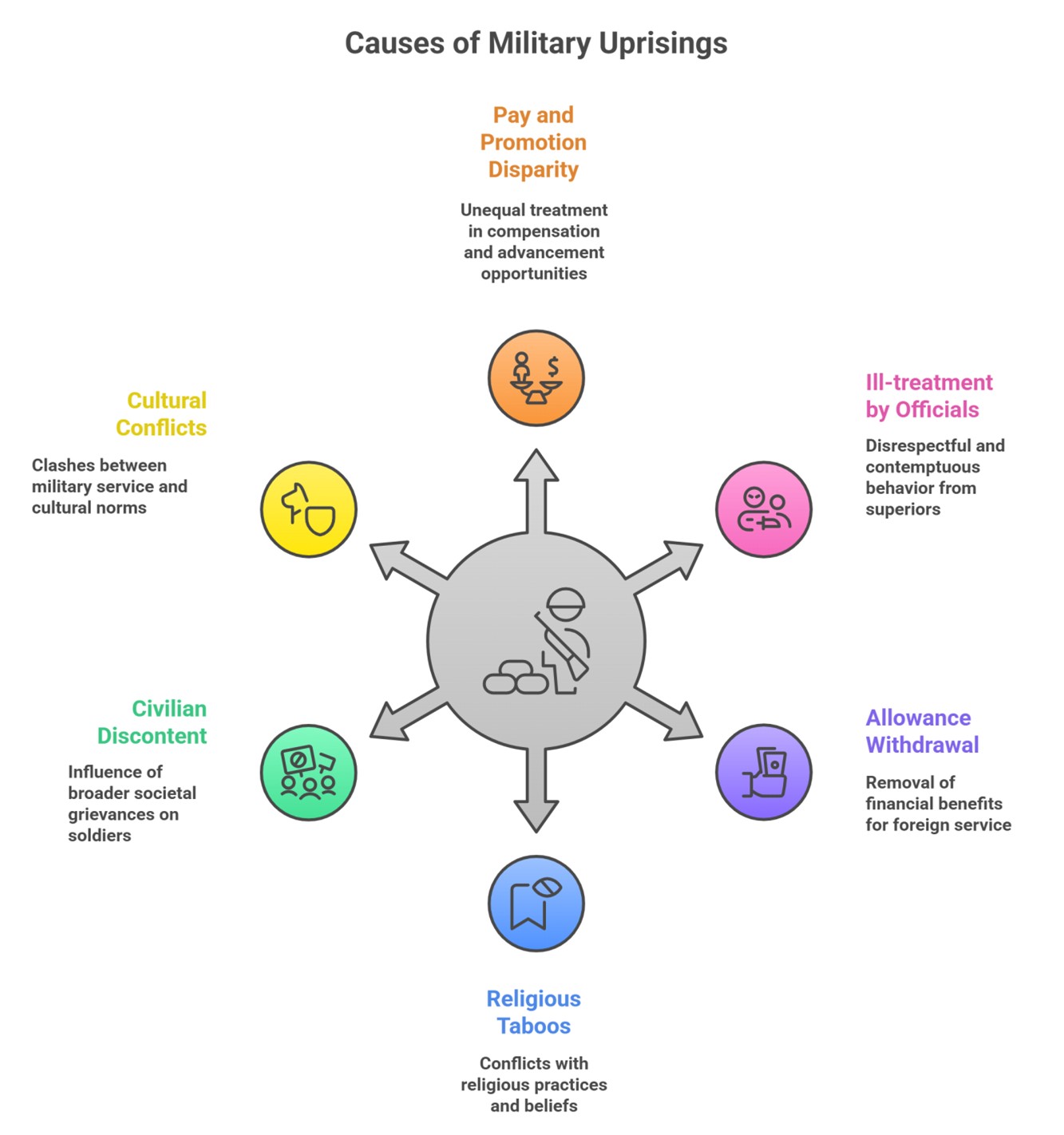
- Discrimination in Pay and Promotions: Indian sepoys were consistently paid less and denied promotions relative to their British counterparts. This glaring disparity caused widespread resentment among the ranks.
- Ill-treatment by British Officials: British officers often treated Indian soldiers with contempt, further fueling dissatisfaction and disloyalty.
- Withdrawal of Foreign Service Allowance: When sepoys were sent to distant territories, they were denied allowances previously granted for such foreign postings. This was viewed as unfair and exploitative.
- General Service Enlistment Act (1856): High-caste Hindu sepoys opposed this act, introduced by Lord Canning, which required them to serve overseas. Crossing the sea was considered a religious taboo that would lead to loss of caste.
- Shared Civilian Discontent: Sepoys, being part of the broader Indian society, were influenced by the social, religious, and economic grievances of the civilian population, which further deepened their frustration.
- Religious and Cultural Conflicts: Service conditions often clashed with the religious beliefs of Indian sepoys. A notable example includes the replacement of turbans with leather cockades at Vellore in 1806, sparking one of the earliest mutinies.
- Resistance to Overseas Deployment: In 1824, sepoys at Barrackpore revolted when ordered to serve in Burma, as crossing the sea was seen as a violation of caste customs.
Major Sepoy Mutinies Before 1857
1. Bengal Sepoy Mutiny (1764): One of the earliest mutinies, indicating nascent dissatisfaction within the Indian ranks of the British army.
2. Vellore Mutiny (1806): Sparked by interference in religious customs. Sepoys raised the Mysore flag and declared resistance against British authority.
3. Mutiny of the 47th Native Infantry (1824): Occurred due to objections against being sent to serve in Burma.
4. Grenadier Company Revolt (1825): This mutiny occurred in Assam, led by a grenadier company unhappy with service conditions.
5. Sholapur Mutiny (1838): Indian regiments stationed in Sholapur rose in revolt against British directives.
6. Mutinies in Other Native Infantry Units:
- 34th Native Infantry (1844)
- 22nd Native Infantry (1849)
- 66th Native Infantry (1850)
- 37th Native Infantry (1852)
These revolts, while significant, remained localized and lacked widespread coordination. The British swiftly suppressed them using force, executing the leaders and disbanding rebellious units. Nevertheless, these mutinies highlighted the growing unrest and served as the precursors to the pan-Indian revolt in 1857.
Fault Lines in People’s Uprisings
- Localised Nature: The uprisings were scattered across different regions and were not coordinated on a national scale.
- Rooted in Immediate Grievances: Most revolts stemmed from specific local issues such as excessive taxation, land alienation, and religious oppression.
- Traditional Leadership: Many movements were led by local landlords, tribal chiefs, or former rulers, whose goals were often to restore old privileges rather than introduce new socio-political structures.
- Lack of Nationalism: Although the desire to resist foreign rule was widespread, these revolts did not arise from a pan-Indian nationalist ideology but were reactions to localized oppression.
- Conventional Methods: Rebels relied on outdated weapons and traditional warfare tactics, which proved ineffective against the modern military technology and strategic planning of the British forces.
- Co-option through Concessions: The British often neutralized revolts by offering limited concessions or pacification measures to influential leaders.
Tribal Movements: Period, Region, And Causes At A Glance
Movement | Period | Region | Causes |
Naikada Movement | 1860s | Madhya Pradesh and Gujarat | Against British rule and caste Hindu oppression |
Kharwar Rebellion | 1870s | Bihar | Resisted colonial revenue settlement activities |
Khonda Dora Campaign | 1900 | Visakhapatnam | Led by Korra Mallaya against British incursions |
Bhuyan and Juang Rebellions | 1867–68, 1891–93 | Kheonjhar, Odisha | Protested against British puppet king; led by Ratna Nayak and Dharni Dhar Nayak |
Bastar Revolt | 1910 | Jagdalpur | Against new feudal and forest taxes |
Tana Bhagat Movement | 1914–15 | Chotanagpur | Led by Jatra and Balram Bhagat; began as Sanskritisation and became anti-British |
Rampa Revolt | 1916, 1922–24 | Andhra Pradesh | Led by Alluri Sitarama Raju against British forest laws |
Jharkhand Uprising | 1920 onwards | Bihar, Odisha, West Bengal | Adivasi Mahasabha led to Regional Jharkhand Party in 1949 |
Forest Satyagrahas | 1920s–30s | Andhra Pradesh & Bihar | Chenchus and Karwars protested British forest restrictions |
Gond Uprising | 1940s | Central India | To promote ‘Gonddharma’ and oppose British rule |
North-East Frontier Tribal Movements
Movements Before 1857
Movement | Year | Region | Causes |
Ahoms’ Revolt | 1828–33 | Assam | Protested EIC’s broken promises post-Burmese War |
Khasis’ Revolt | 1830s | Jaintia-Garo Hills | Led by Tirath Singh against British occupation |
Singphos’ Rebellion | 1830s | Assam | Murdered British political agent in 1839 |
Movements After 1857
Movement | Year | Region | Causes |
Kukis’ Revolt | 1917–19 | Manipur | Against British forced recruitment in WWI |
Tripura Revolts | 1863, 1920s, 1942–43 | Tripura | Led by Parikshit Jamatia, Bharti Singh, Ratnamani against tax hikes and settlers |
Zeliangrong Movement | 1920s | Manipur | Zemi, Liangmei, and Rongmei tribes protested British inaction during Kuki aggression |
Naga Movement | 1905–31 | Manipur | Led by Jadonang to establish a sovereign Naga Raj |
Heraka Cult | 1930s | Manipur | Gaidinliu’s socio-religious movement for freedom |
Other Minor Movements | 1860–1904 | NE Hills | Syntengs, Phulaguri peasants, Saflas, Kacha Nagas, Manipur Women’s War |
The civil and tribal uprisings across India before 1857 reflected widespread resentment against British colonial rule. Though largely localized and led by traditional leaders lacking modern political ideologies, these revolts showcased remarkable courage and unity. While they failed to achieve national independence, they pressured the colonial state to moderate some exploitative policies and helped ignite early nationalist sentiments. These early rebellions laid the groundwork for future struggles, prompting harsher repression from the British after 1857 and marking them as important precursors to India’s freedom movement