
TOne Academy

Resistance against British Expansion

Home / Indian History / Resistance against British Expansion

Resistance against British Expansion

    The British consolidation of power in India was not an uncontested or smooth process. It was marked by gradual territorial expansion, accompanied by systematic economic exploitation, social disruptions, and political disempowerment of the native ruling elite. These developments sparked widespread dissatisfaction and resistance from various sections of Indian society, ranging from peasants and tribals to feudal lords and religious leaders. Resistance to British rule manifested in several forms, occurring across different regions and involving distinct communities, but was united by a common objective: protection of traditional rights, livelihoods, and autonomy.

Forms of Indian Resistance

    According to noted historian Bipan Chandra, Indian resistance to British colonialism during the early phase of Company rule can be broadly classified into three major types:

    1. Civil Rebellions – Often led by dispossessed rulers, zamindars, and nobility.
    2. Tribal Uprisings – Sparked by British intrusion into tribal autonomy and forests.
    3. Peasant Movements – Rooted in rural distress, land alienation, and exploitation by landlords and revenue collectors.

In addition, mutinies and revolts by Indian sepoys in the East India Company’s forces added a military dimension to the resistance. Cities like Benaras (1810), Surat (1814), and Bareilly (1816) witnessed early urban uprisings, involving cooperation across different social groups against colonial policies.


 Before colonialism, protest and rebellion against oppressive local rulers were not uncommon. However, under the British, such dissent intensified due to systemic changes in governance, taxation, and law that aimed at maximum revenue extraction and subordination of native institutions.

Underlying Causes of People’s Uprisings

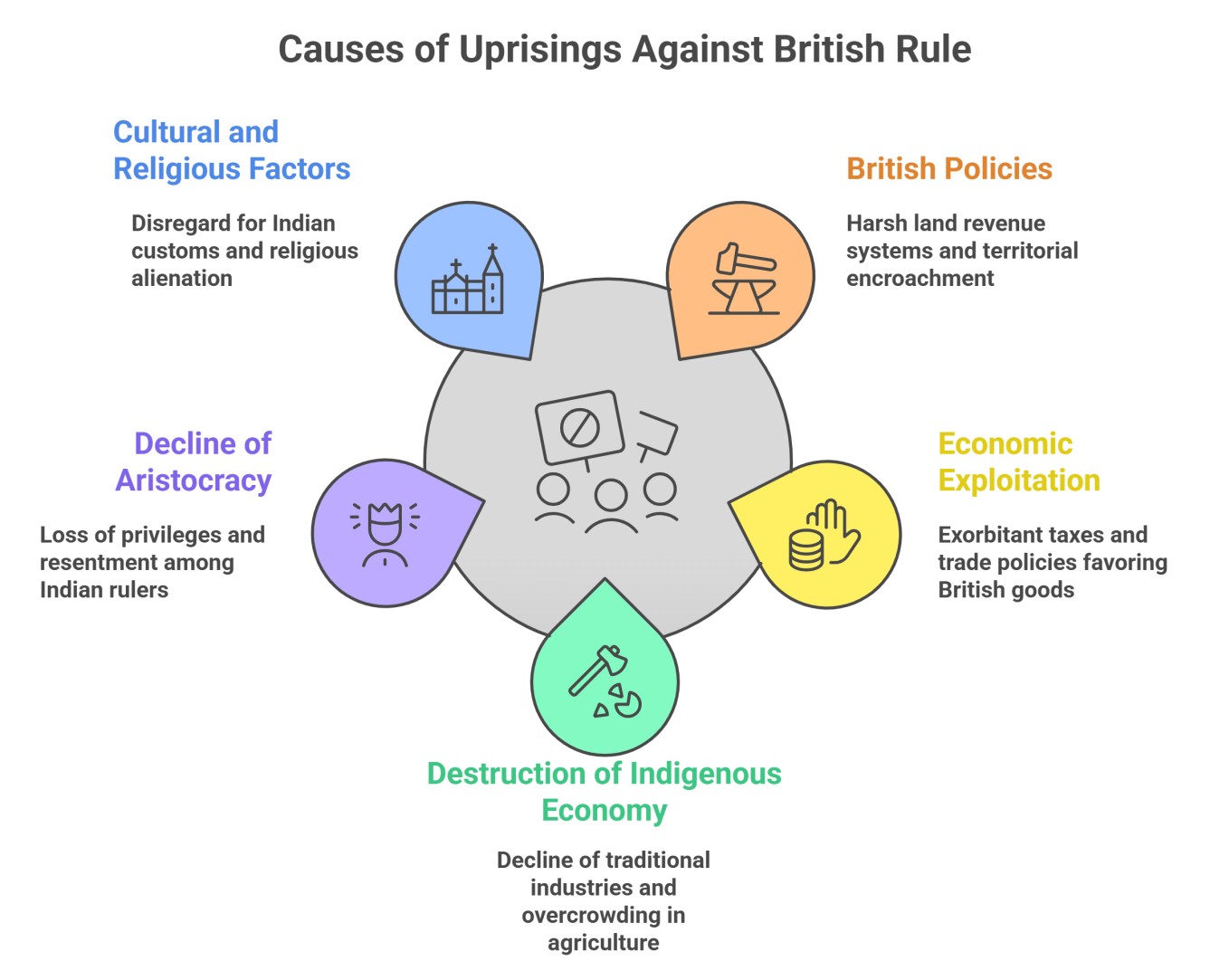
     The multitude of popular uprisings against the British during the 18th and 19th centuries was driven by a variety of deep-rooted socio-economic and political factors:

1. British Policies and Economic Exploitation

    • Harsh land revenue systems like the Permanent Settlement in Bengal, Ryotwari, and Mahalwari in other regions, extracted exorbitant taxes from peasants, leading to widespread land alienation.
    • British policies encroached upon tribal territories, dismantling long-standing rights over forests and agricultural lands, disrupting traditional livelihoods.
    • The rise of moneylenders, revenue farmers, and absentee landlords further deepened rural exploitation.

2. Destruction of Indigenous Economy

    • Colonial trade policies promoted British manufactured goods while imposing crippling export duties and tariffs on Indian-made textiles and handicrafts.
    • The destruction of India’s traditional industries pushed artisans and craftsmen into agriculture, leading to overcrowding of agrarian economy and increased poverty.

3. Decline of the Traditional Aristocracy

    • With British annexations, many Indian rulers, zamindars, and poligars lost their privileges, estates, and revenue rights.
    • These groups, having once been at the top of the social order, now harbored strong resentment against colonial officials and the emerging class of British-backed merchants and moneylenders.

4. Cultural and Religious Factors

    • British disregard for Indian customs, combined with Christian missionary activity and foreign domination, alienated religious and priestly classes.
    • The loss of patronage from deposed rulers also meant that Brahmins, priests, and temple staff were economically weakened and socially sidelined.
    • The foreign character of British rulers, their arrogant treatment of Indians, and perceived contempt for native traditions wounded the collective pride of the indigenous population.
 

Civil Uprisings (1757–1857)

      Civil uprisings during British rule refer to non-military, non-tribal rebellions that were spearheaded by dispossessed feudal classes and supported by a wide base of peasants, artisans, and dismissed soldiers. These movements were attempts by the native elite to reclaim lost authority, land, and social position.

Key Participants

    • Deposed Rajas, Nawabs, and heirs of conquered states.
    • Displaced zamindars and poligars (feudal lords in South India granted land in return for military service).
    • Ex-soldiers, retainers, and officials of defeated Indian kingdoms.
    • Unemployed artisans, impoverished peasants, and disbanded troops often formed the mass base.

Causes of Civil Uprisings

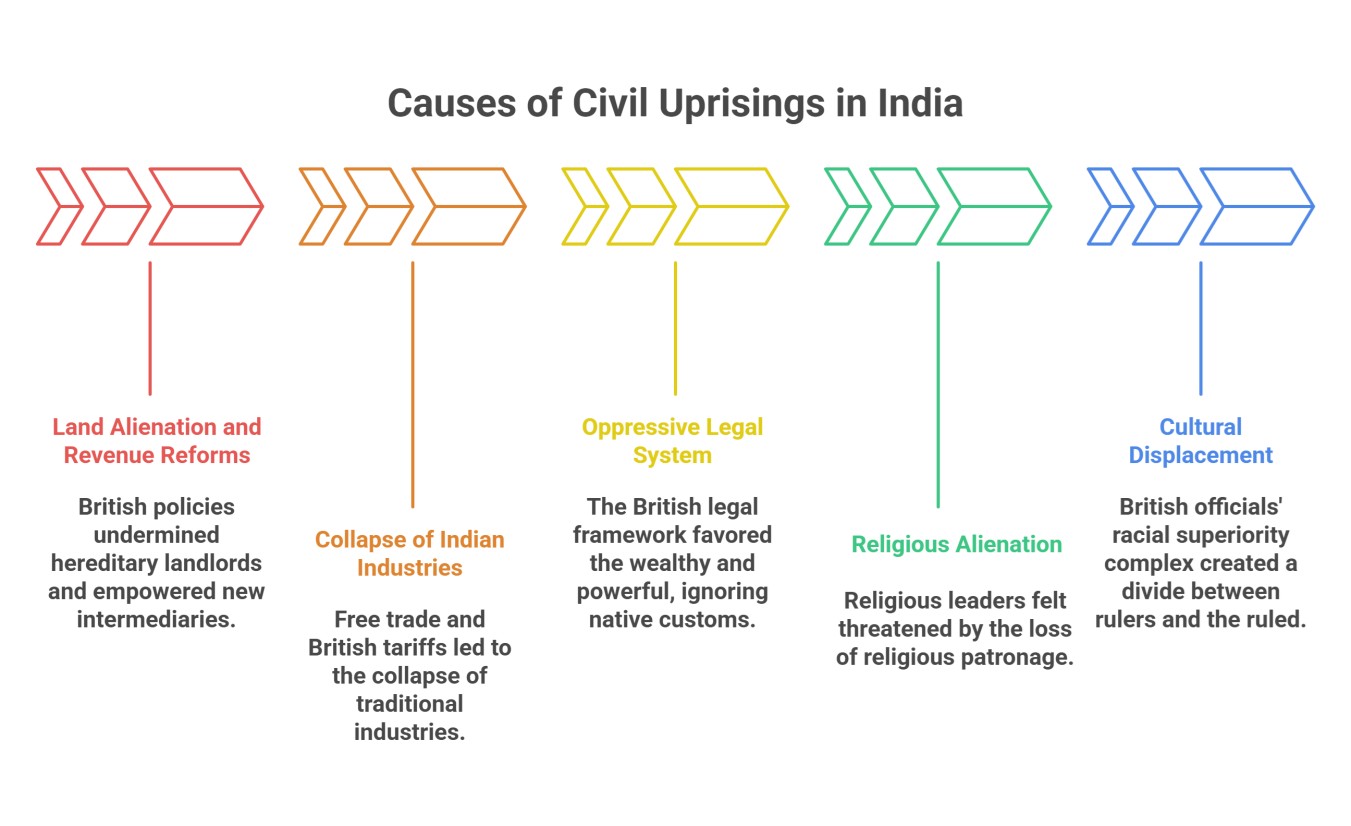
1. Land Alienation and Revenue Reforms:

    • British land revenue systems undermined hereditary landlords, while empowering new intermediaries loyal to the Company.
    •  Poligars and zamindars, especially in regions like Tamil Nadu and Andhra Pradesh, were pushed to rebellion after losing ancestral rights.


2. Collapse of Indian Industries:

    • The introduction of free trade and British tariffs led to the collapse of India’s traditional textile and craft industries, leaving millions jobless.


3. Oppressive Legal System:

    • The British legal framework disproportionately favored the wealthy and powerful, often ignoring native customs and systems of justice.
    • Corruption in the lower ranks of police, judiciary, and administration added to public disillusionment.


4. Religious Alienation:

    • Religious leaders, particularly from the priestly class, felt threatened by the fall of native rulers and loss of religious patronage.
    • Many saw British rule as a spiritual threat and worked to mobilize mass resentment.


5. Cultural Displacement:

    • The racial superiority complex of British officials, their refusal to integrate with Indian society, and their alien social customs created a deep divide between rulers and the ruled.
 

General Characteristics of Civil Uprisings

    • Localized and Isolated: These uprisings were generally regional and lacked coordination across territories. Though widespread over time, they failed to evolve into a pan-Indian movement.
    • Conservative in Outlook: Leaders sought to restore traditional authority and pre-colonial socio-political structures, rather than envisioning new systems of governance.
    • Reactionary in Nature: Most movements aimed to return to the status quo rather than challenging the existing power structure with a progressive vision.
    • Brutally Suppressed: The British adopted a divide-and-rule strategy, offering concessions to compliant chiefs while brutally suppressing defiant ones. Rebellions were systematically quelled using superior arms and strategic diplomacy.
    • Prevented Broader Revolts: The suppression of civil rebellions played a significant role in isolating the Revolt of 1857. As a result, South India, large parts of Eastern and Western India did not witness widespread participation in 1857.

Significance of Early Civil Resistance

Though these civil uprisings ultimately failed to overthrow British rule, they were historically significant for multiple reasons:


    • They represented the first organized expressions of anti-colonial sentiment in India.
    • The movements created a legacy of resistance, which later inspired the nationalist struggle in the late 19th and early 20th centuries.
    • These uprisings reflected a deep-rooted resentment against foreign rule and laid the ideological foundation for future mass movements.


The early phase of British rule in India was marred by widespread opposition from multiple quarters of Indian society. The civil uprisings between 1757 and 1857, while fragmented and region-specific, embodied the collective anger of those who had lost power, land, livelihood, and dignity under colonial policies. Although they lacked national coordination and were often reactionary in nature, these revolts signaled the beginning of the Indian people’s long and determined resistance against foreign domination. They laid the groundwork for the emergence of a modern nationalist consciousness in the decades to come.


     The first century of British rule in India witnessed a torrent of localized but fierce civil uprisings. These movements were primarily driven by socio-economic distress, betrayal of treaties, and displacement of traditional rulers and zamindars. Although not coordinated under a national umbrella, these revolts reflected the growing resentment among different sections of Indian society, from peasants and zamindars to tribal leaders and dispossessed royals.

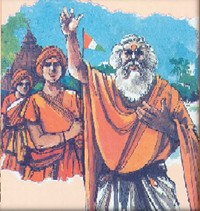
1. The Sanyasi Rebellion (1763–1800)

     One of the earliest manifestations of resistance against colonial rule, the Sanyasi Revolt, was primarily a response to the devastating Bengal famine of 1770, exacerbated by the exploitative revenue policies of the British East India Company.


    • Sparked by economic distress and famine-induced desperation, the rebellion attracted peasants, disbanded soldiers, impoverished zamindars, and ascetic wanderers (sanyasis and fakirs).
    • The rebellion involved raids on British factories, treasuries, and establishments, mostly in Bengal and North Bengal.
    • Key figures included Majnum Shah, Chirag Ali, Musa Shah, and Bhawani Pathak, the latter of whom fought alongside Debi Chaudhurani, a female rebel leader whose participation emphasized the role of women in early resistance.
    • The rebellion was notable for its Hindu-Muslim unity, often referred to as the Fakir-Sanyasi Rebellion.
    • It was eventually crushed by Warren Hastings, but it left a lasting cultural impression, inspiring Bankim Chandra Chattopadhyay’s novels “Anandamath” and “Devi Chaudhurani”, celebrating patriotic resistance.
 

2. Revolts in Midnapore and Dhalbhum (1766–1774)

    After the British established control over Midnapore (1760), initial relations between the colonial administration and local zamindars remained peaceful. However, tensions escalated with the introduction of new land revenue systems in 1772, which disrupted traditional economic relationships.


    • The zamindars of Midnapore allied with the ryots (cultivators) against unjust English revenue officers.
    • The dispossession of zamindars in regions like Dhalbhum, Manbhum, Raipur, Panchet, and Karnagarh by the early 1800s led to growing unrest.
    • Led by Damodar Singh and Jagannath Dhal, the rebellion was a significant episode of zamindari resistance, although it was ultimately subdued by the British.

3. The Moamoria Rebellion (1769–1799)

    This prolonged and intense rebellion took place in Assam, challenging the authority of the Ahom kings, even before British rule had fully reached the region.


    • The Moamorias, primarily lower-caste peasants, were followers of Aniruddhadeva’s egalitarian doctrines, which stood in stark contrast to the hierarchical Ahom rule.
    • The rebellion erupted into full-fledged warfare, weakening the Ahom kingdom and inviting external attacks, including the 1792 revolt by the King of Darrang.
    • Eventually, the Ahom rulers sought British military assistance to crush the rebellion.
    • The Moamoria headquarters at Bhatiapar and revolts across Rangpur and Jorhat became focal points of resistance.
    • Though the Ahom dynasty survived the rebellion, it was severely weakened, making it vulnerable to the Burmese invasion and eventual British annexation.

4. Civil Rebellions in Gorakhpur, Basti, and Bahraich (1781)

This uprising in eastern Uttar Pradesh was rooted in colonial exploitation and the misuse of revenue farming (izaradari) to raise funds for military campaigns.


    • In 1778, Major Alexander Hannay, a British officer, became izaradar of Gorakhpur and Bahraich, agreeing to an exorbitant sum of ₹22 lakh.
    • Hannay’s oppressive revenue collection devastated a region that had previously thrived under Nawab of Awadh’s rule.
    • In 1781, zamindars and peasants revolted, attacking Hannay’s agents and besieging British positions.
    • Though the uprising was brutally suppressed, Hannay was removed from office, and his izara was cancelled, indicating some recognition of administrative overreach.

5. Revolt of the Raja of Vizianagaram (1794)

This rebellion occurred in Northern Circars (Andhra Pradesh), highlighting British betrayal of treaty obligations and increasing interference in internal affairs of princely states.


    • In 1758, a treaty between the British and Ananda Gajapatiraju of Vizianagaram helped oust the French from the region.
    • However, post-victory, the British ignored treaty obligations, leading to tensions.
    • Vizayaramaraju, the Raja’s successor, refused British demands to pay tribute and disband his forces.
    • The Raja led a popular revolt supported by his subjects but was defeated and killed in the Battle of Padmanabham (1794).
    • Though the region was annexed, the Company later made concessions to the Raja’s son.

6. Revolt of Dhundia Wagh in Bednur (1799–1800)

     Following the fall of Tipu Sultan in the Fourth Anglo-Mysore War (1799), Dhundia Wagh, a Maratha soldier who had converted to Islam, emerged as a symbol of resistance in Bednur, Karnataka.


    • Dhundia escaped prison, raised a formidable force of anti-British fighters, and briefly controlled parts of northern Karnataka.
    • He even attempted to rally Maratha rulers against British expansion.
    • Killed in September 1800 during a battle against British troops led by Arthur Wellesley, Dhundia became a folk hero, admired for his resistance.

7. Resistance of Kerala Varma Pazhassi Raja (1797–1805)

     Known as Kerala Simham (Lion of Kerala), Pazhassi Raja led a remarkable guerilla resistance in the Malabar region against both Mysorean and British forces.


    • Pazhassi Raja was the de facto head of Kottayam in northern Kerala.
    • Following the Third Anglo-Mysore War (1790–92), British control over Malabar tightened, and tax oppression by Raja Vira Varma triggered the resistance.
    • He used guerilla tactics from the forests and hills of Wayanad.
    • In 1800, conflict resumed over British claims to Wayanad, prompting Pazhassi to form an alliance of Nairs, Mappilas, and Pathans (former Tipu soldiers).
    • Pazhassi Raja was killed in November 1805 near the Kerala-Karnataka border.
    • His movement is remembered as a precursor to organized anti-colonial resistance in South India.

8. Civil Rebellion in Awadh (1799)

        This short but dramatic episode was led by Wazir Ali Khan, briefly the Nawab of Awadh, who had fallen out with the British.


    • After being deposed, Wazir Ali Khan murdered British Resident George Frederik Cherry in Benares, in what became known as the Massacre of Benares.
    • He assembled a force to fight the British but was defeated by General Erskine.
    • After fleeing and seeking refuge in Jaipur, he surrendered in December 1799 under assurance of safety and was confined at Fort William, Calcutta.

9. Uprisings in Ganjam and Gumsur (1800, 1835–37)

    These uprisings took place in the eastern coastal districts of Ganjam and Gumsur, involving sustained resistance by local zamindars against British revenue policies.

First Phase (1800–1815):

    • Strikara Bhanj, the zamindar of Gumsur, refused to pay revenue and led an armed rebellion.
    • He was joined by other zamindars such as Jlani Deo and Jagannath Deo.
    • Though temporarily pacified, his son Dhananjaya Bhanj continued resistance until his surrender in 1815.

Second Phase (1835–1837):

    • Dhananjaya rebelled again due to arrears of revenue, resulting in a major uprising that disrupted British administration.
    • The revolt ended with Dhananjaya’s death in December 1835, and the capture of the leader Doora Bisayi in February 1837.
    • The zamindari of Gumsur was eventually confiscated.

10.Poligars’ Revolt (1795–1805)

      The Poligars, also known as palayakkarargal, were influential feudal chieftains in South India who exercised significant military and administrative authority over their domains. Between 1795 and 1805, they orchestrated a series of uprisings against British encroachment, particularly in regions such as Tinneveli, Ramanathapuram, Sivaganga, Sivagiri, Madurai, and North Arcot.


    • Causes: The conflict was ignited by the 1781 decision of the Nawab of Arcot to hand over administrative control of the Tinneveli and Carnatic provinces to the East India Company. The Poligars, who viewed themselves as autonomous rulers, interpreted this move as a grave violation of their sovereignty.


    • First Phase (1795–1799): The initial wave of resistance was spearheaded by the formidable Veerapandiya Kattabomman of Panjalankurichi. Though the revolt was initially framed as a protest against unjust taxation, it soon acquired a political character symbolizing defiance against British domination. Kattabomman managed to defeat Company forces in early skirmishes but was later betrayed by Ettappan, the Raja of Pudukottai. He was captured and executed by the British in a symbolic display of colonial authority.
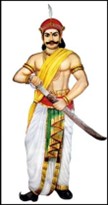
 

    • Second Phase (1801): Several imprisoned Poligar leaders, including Kattabomman’s brother Oomathurai and Maruthu Pandian, escaped confinement and launched renewed resistance. They captured key forts and momentarily seized Tuticorin. Despite initial success, British reinforcements soon overpowered them. The British razed Panjalankurichi Fort and quelled the rebellion with harsh reprisals.


    • Third Phase (1803–1805): The final phase unfolded in North Arcot, where Poligars rebelled against the British decision to strip them of their traditional right to collect kaval** (security) fees**. The revolt led to widespread unrest and lawlessness, which the British suppressed by early 1805.


    • Impact: This prolonged and widespread rebellion reflected early nationalist sentiments. The Poligars’ proclamations called for independence from foreign rule, making the movement one of the earliest organized expressions of anti-colonial resistance in India.

11. Uprising in Bhiwani (1809)

    • Region: Haryana
    • Participants: The Jat community fortified themselves in the town of Bhiwani to resist British control.
    • Outcome: The uprising was met with a formidable British response. A full brigade with a powerful battering ram was deployed to suppress the rebellion, highlighting the scale of resistance and its challenge to colonial authority.

12. Revolt of Diwan Velu Thampi (1808–1809)

    • Region: Travancore (present-day Kerala)
    • Cause: The rebellion arose due to the oppressive conditions imposed on the princely state of Travancore following a subsidiary alliance signed in 1805 with the British.
    • Leader: Diwan Velu Thampi, the Prime Minister of Travancore, emerged as the leader of the resistance, supported by loyal Nair troops.
    • Actions: Velu Thampi issued the famous Kundara Proclamation, urging the people of Travancore to rise up against British rule. The movement gained popular support and initially challenged British control in the region.
    • Outcome: The rebellion was eventually suppressed with superior military force. Facing inevitable defeat, Velu Thampi committed suicide. The Maharaja of Travancore distanced himself from the rebellion and aligned with the British, further consolidating Company authority in Kerala.

13. Bundelkhand Disturbances (1808–1812)

    • Context: After the Second Anglo-Maratha War, the British sought to impose their rule over Bundelkhand. However, local Bundela chieftains resisted colonial intrusion into their hereditary territories.
    • Key Figures: Leaders such as Lakshman Dawa of Ajaygarh Fort, Darya Singh of Kalanjar Fort, and adventurer Gopal Singh spearheaded the resistance.
    • Suppression: The British resorted to Ikarnamahs (contractual obligations) to restrict the authority of hereditary chieftains and enforce loyalty. The policy ultimately subdued regional resistance, allowing for greater colonial consolidation.
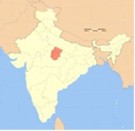
 

14. Parlakimedi Outbreak (1813–1834)

    • Region: Western Ganjam district (modern-day Odisha)
    • Leaders: The rebellion was led by several zamindars, with Raja Narayan Deo being a prominent figure opposing British expansion.
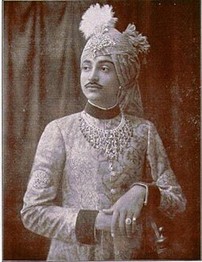


    • Cause: Resistance stemmed from British attempts to annex and administer the territory more directly, threatening the existing power structure.
    • Suppression: By 1834, British Commissioner George Russell succeeded in pacifying the region through a mix of military action and administrative negotiation.

15. Kutch (Cutch) Rebellion (1816–1832)

    • Background: In 1816, the British signed a treaty with Maharaja Bharamal II of Kutch, which soon resulted in internal political instability.
    • Events: The Raja mobilized forces in an attempt to push back against British interference, leading to his deposition. Despite his removal, resistance continued throughout the 1820s as local chieftains challenged British dominance.
    • Resolution: The British eventually adopted a conciliatory approach, stabilizing the region through diplomacy and selective concessions.

17.Hathras Rebellion (1817)

    • Leader: Dayaram, a powerful talukdar entrenched in the fortified town of Hathras, led the uprising.
    • Reason: His resistance was primarily in protest against exorbitant revenue demands by the colonial administration.
    • Action: A bloody confrontation ensued, lasting 15 days.
    • Result: Dayaram was eventually forced to surrender and was offered a pension by the British. The Raja of Mursan, Bhagwant Singh, also submitted.

18. Waghera Rising (1818–1820)

    • Region: Okha Mandal, Gujarat
    • Cause: The rising was driven by widespread discontent against the oppressive policies of the Gaekwad of Baroda, who was backed by the British.
    • Action: Waghera chiefs frequently raided British-controlled territories, disrupting colonial governance.
    • Resolution: A peace treaty was signed in November 1820, bringing the revolt to an end.

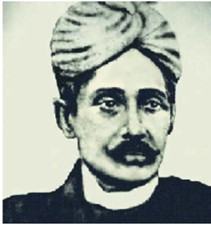
19. Ahom Revolt (1828)

    • Leaders: Prince Gomdhar Konwar and his associates
    • Cause: Following the First Anglo-Burmese War, the British sought to integrate Ahom territories into their domain, triggering local resistance.
    • Action: Prince Gomdhar Konwar declared himself king and led a rebellion to reclaim Ahom sovereignty.
    • Outcome: The British pursued a conciliatory approach, restoring part of Upper Assam to Maharaja Purandar Singh Narendra, effectively diffusing the unrest.
20. Surat Salt Agitations (1840s)

    • Cause: Public discontent erupted after the government doubled the salt tax in 1844 and proposed the implementation of the Bengal Standard Weights and Measures in
    • Action: The local population launched boycotts, attacked European establishments, and resorted to passive resistance.
    • Outcome: The colonial government, fearing escalation, repealed both the additional salt levy and the measurement policy.

21. Kolhapur and Savantvadi Revolts

    • Participants: In Kolhapur, the Gadkaris—a hereditary warrior class—led the uprising. In Savantvadi, civilians opposed British rule.
    • Causes: In Kolhapur, the disbandment of local garrisons sparked unrest. In Savantvadi, resistance stemmed from dissatisfaction with British interference and the removal of the local ruler.
    • Outcome: The British imposed stringent administrative regulations to reassert authority and stabilize the regions.

22. Paika Rebellion (1817)

    • Region: Odisha
    • Leaders: Bakshi Jagabandhu Bidyadhar, supported by Mukunda Deva, the last Raja of Khurda
    • Background: The Paikas, who held land under rent-free tenures for military service, were gradually dispossessed by colonial land revenue reforms following British conquest in 1803.
    • Action: The rebellion, driven by guerrilla tactics, spread rapidly across Odisha and managed to temporarily dislodge British forces.
    • Suppression: By 1818, the rebellion was crushed. Jagabandhu either surrendered or was captured (sources vary), and he died in captivity in 1829.
    • Significance: The uprising prompted major concessions, including reductions in land assessments, relief from arrears, and changes in the zamindari system.
 

23. Wahabi Movement (1830s–1880s)

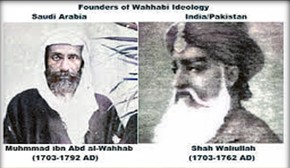
    • Founder: Syed Ahmed of Rai Bareilly, influenced by the teachings of Abdul Wahab and Shah Waliullah
    • Ideology: The movement promoted a return to purist Islam and called for the rejection of British rule and Western influence.
    • Centers: Important centers included Patna, Sithana, and other parts of Northern India.
    • Action: Initially directed against the Sikh Empire in Punjab, the movement later evolved into an anti-British jihad.
    • Suppression: British authorities cracked down on Wahabi networks with arrests, trials, and military campaigns. Nevertheless, the movement survived into the late 19th century, maintaining a spirit of resistance.
 

24. Kuka Movement (Mid-19th Century)

    • Founder: Bhagat Jawahar Mal (Sian Saheb); later led by Baba Ram Singh
    • Ideology: Focused on Sikh religious and social reform. Advocated abolition of caste discrimination, encouragement of widow remarriage, and promotion of women’s rights.
    • Political Demands: Sought an end to British rule, restoration of Sikh sovereignty in Punjab, and adoption of Swadeshi and non-cooperation tactics.
    • Suppression: The movement was harshly repressed by colonial authorities between 1863 and 1872. Baba Ram Singh was deported to Rangoon in 1872, effectively weakening the movement’s organizational strength.


These early civil uprisings between 1763 and 1837 were not mere local disturbances—they were expressions of popular anger against foreign domination, economic disruption, and political betrayal. While many of these movements were ultimately suppressed, they kept the flame of resistance alive and laid the foundation for future nationalist consciousness. From the Sanyasis of Bengal to the Lion of Kerala, these early rebels exemplified the spirit of defiance that would later culminate in the great Revolt of 1857 and the Indian independence movement.


Civil Uprisings

Time Period

Significance

Sanyasi Revolt

1763–1800

Rebellion in Bengal led by Pandit Bhabani Charan Pathak; joint Hindu-Muslim participation.

Revolt in Midnapore and Dhalbhum

1766–74

Zamindars supported ryots against English; led by Damodar Singh and Jagannath Dhal.

Revolt of Moamarias

1769–99

Peasant uprising in Assam threatening Ahom rule; weakened the kingdom for later invasions.

Civil Uprisings in Gorakhpur, Basti, and Bahraich

1781

Zamindars and farmers in Awadh revolted against British revenue farming.

Revolt of Raja of Vizianagaram

1794

Ananda Gajapatiraju led revolt in Vizianagaram; killed in battle; region annexed by British.

Civil Rebellion in Awadh

1799

Wazir Ali Khan’s revolt after killing British officer in Benares; known as Benares Massacre.

Revolt of Velu Thampi

1808–09

Velu Thampi of Travancore rebelled against British over Subsidiary Alliance and taxation.

Kutch or Cutch Rebellion

1816–32

Kutch ruler revolted against British interference; defeated and replaced by regency council.

Rising at Bareilly

1816

Religious and local unrest led by Mufti Muhammad Aiwaz; over 300 killed in suppression.

Paika Rebellion

1817

Armed rebellion in Odisha led by Bakshi Jagabandhu against loss of hereditary estates.

Waghera Rising

1818–20

Wagheras of Okha Mandal rose against British and Gaekwad demands; subdued by 1820.

Revolt of Kittur Chennamma

1824–29

Kittur Chennamma opposed British annexation; killed collector; rebellion later crushed.

Ahom Revolt

1828

Ahom prince Gomdhar Konwar led revolt against British breach of withdrawal promise.

Surat Salt Agitations

1840

Local population protested salt tax increase in Surat; government rolled back extra fees.

Wahabi Movement

1830–61

Islamic revivalist movement led by Syed Ahmed of Rai Bareilly; anti-Western and reformist.

Kolhapur and Sawantwadi Revolts

1840s

Disbanded Gadhkaris led revolts in Kolhapur and Sawantwadi over loss of livelihood.

Kuka Revolt

1872

Started as Sikh purification movement; later anti-British; leader Ram Singh exiled to Rangoon.

Peasant Uprisings before the Revolt of 1857

     Before the outbreak of the Revolt of 1857, India witnessed several localized peasant uprisings rooted in agrarian distress. These revolts were largely triggered by issues such as exorbitant rent hikes, harsh eviction policies, and the exploitative practices of zamindars and moneylenders, all of which were often supported or ignored by the colonial administration. While these movements were primarily driven by peasants, they were often guided by charismatic local leaders. The overarching goal of most uprisings was to secure occupancy rights and reduce the oppressive burden on tenant cultivators.

Narkelberia Uprising (Early 19th Century)

      Leader: The movement was spearheaded by Mir Nithar Ali, popularly known as Titu Mir (1782–1831), in West Bengal.


    Issue and Nature of Revolt: Titu Mir mobilized Muslim peasants, particularly followers of the Faraizi movement, against both Hindu landlords, who imposed discriminatory taxes such as a beard tax, and British indigo planters. While initially an agrarian and anti-colonial rebellion, it later assumed a religious character and was ultimately absorbed into the broader Wahabi movement.

Pagal Panthis Revolt (1825–1835)

      Leader and Region: Founded by Karam Shah, the Pagal Panthis were a semi-religious tribal sect composed mainly of Hajong and Garo tribes from the Mymensingh district (in present-day Bangladesh).


     Course of the Revolt: Resistance grew under Karam Shah’s son, Tipu, as the peasants revolted against the high-handedness of local zamindars. They attacked landlords’ houses and categorically refused to pay rent beyond a fixed amount.

British Response: Although the colonial administration initially introduced some reforms to protect the peasants, the movement was eventually crushed with force.

Faraizi Movement (1838–1857)

    Founder and Region: Led by Haji Shariat-Allah from Faridpur in Eastern Bengal, the movement sought religious, social, and agrarian reforms. After his death, his son Dadu Mian (1819–1860) carried the movement forward.


Objectives:

    • Restore Islamic practices based on the Quran.
    • Uproot British rule and socio-religious exploitation.
    • Fight for the rights of tenant farmers against oppressive zamindars.


Evolution: Over time, the movement took on a more political tone and many Faraizi followers eventually joined the Wahabi jihad.

Moplah Uprisings (1836–1854)

    •  Region and Cause: The Moplah Muslims of the Malabar coast in Kerala rose in revolt against British revenue policies, shrinking landholdings, and the harsh treatment by landlords and British officials.
    •  Course: A total of 22 uprisings took place between 1836 and 1854. Though fierce, none succeeded.
    • Later Phase: The 1921 Moplah Rebellion, during the Non-Cooperation and Khilafat movements, was marked by widespread violence but also led to a rift between Hindu and Muslim communities, weakening the broader nationalist unity. The British ultimately crushed the rebellion.

Peasants’ R ole in the Revolt of 1857

      Nature of Participation: Peasants played a crucial role, especially in western Uttar Pradesh, where they allied with feudal elements like taluqdars to challenge British authority. Their grievances were economic and political.


     Aftermath: Post-rebellion, the British prioritized maintaining alliances with the landed aristocracy at the expense of the peasantry.


    • In Avadh, lands were returned to taluqdars, who were empowered further, while peasants were deprived of any benefits.
    • The 1859 Bengal Rent Act failed to secure tenancy rights for many cultivators.
    • Additional cesses (taxes) were levied as punishment on regions where peasants had revolted.


These early uprisings, though scattered and often limited in scope, reflected deep-rooted agrarian discontent. They also laid the groundwork for broader political mobilization, eventually culminating in the nationwide freedom struggle.

Tribal Movements under British Rule in India

     During the colonial era, tribal uprisings were a persistent and powerful response to the widespread disruption caused by British rule. These uprisings were marked by violent resistance, frequency, and militancy, reflecting deep-rooted grievances among tribal communities. The tribal revolts can broadly be classified into two categories: 

1. Mainland Tribal Uprisings:

      These revolts took place in the heartland of India and were primarily triggered by British interventions in tribal land ownership systems, forest rights, and the disruption of age-old communal practices. Tribals traditionally relied on shifting cultivation, community ownership of land, and close interaction with forests. The imposition of colonial land revenue systems, forest laws, and the influx of non-tribal moneylenders, contractors, and traders led to the exploitation and marginalization of tribal populations. These disruptions generated intense resistance as the tribes sought to reclaim control over their ancestral lands and resources.


2. Frontier Tribal Uprisings (Northeastern India):

       In contrast, tribal communities in the northeast, including the Nagas, Kukis, and Mizos, mounted resistance not only against British exploitation but also in pursuit of political autonomy or outright independence. Initially focused on socio-religious reform or internal tribal leadership issues, these movements gradually aligned with broader nationalist goals, contributing to a unique and prolonged resistance tradition.


   Colonial Disruptions and Tribal Economy: British colonialism severely impacted the traditional symbiotic relationship between tribal societies and forests. Forest lands were declared state property, shifting cultivation was banned or restricted, and access to essential forest produce was curtailed. These changes disrupted the food security, mobility, and cultural practices of tribal groups, leading to widespread hardship. Simultaneously, forced labour, extortion, and exploitation by forest contractors, revenue officials, and moneylenders further compounded the miseries of tribal communities, catalyzing uprisings across the country.


    Tribal Identity and the Nature of Resistance: A defining feature of tribal revolts was their strong ethnic and cultural identity. Tribal rebels did not necessarily perceive their struggle through a class-based lens but viewed it as a collective assertion of their traditional way of life. Their unity stemmed from deep-rooted kinship ties, clan affiliations, and shared cultural values. As a result:


    • Violence was often selective, directed mainly against external exploiters like colonial officials, landlords, moneylenders, and traders.
    • Fellow tribals and non-tribal poor, particularly those involved in supportive manual labour or social exchange with the tribal community, were generally spared.
    • In many cases, rural peasants and disaffected lower classes even supported or joined the tribal bands in their rebellion.


Leadership and Mobilization: Many of these tribal uprisings were led by charismatic and spiritually inspired leaders who mobilized the people by invoking cultural pride, religious revivalism, and the promise of a return to traditional autonomy. Leaders like Birsa Munda, Sidhu and Kanhu Murmu, and Tantia Bhil became symbols of tribal resistance and are still revered as folk heroes in their regions.

Features of Tribal Revolts:

    • Ethnic Solidarity: Tribal revolts were grounded in ethnic identity and social unity. Solidarity was forged through shared language, customs, and ancestral connections.
    • Targeted Aggression: Unlike class-based revolts, the aggression in tribal uprisings was focused specifically on agents of exploitation—primarily moneylenders, revenue collectors, forest contractors, and British officials.
    • Cultural Motivation: The revolts were not merely economic or political—they had strong cultural and spiritual dimensions, reflecting a yearning to restore traditional governance and social norms.
    • Inferior Weaponry: One of the major disadvantages faced by tribal groups was their reliance on primitive weapons, such as bows, arrows, and spears, which were no match for the modern firearms and organized military tactics of the British.

Pahariyas’ Rebellion (1778)

      Region: Raj Mahal Hills (present-day Jharkhand)

   Background & Course: The martial Pahariya tribes, residing in the dense forested tracts of the Raj Mahal Hills, rebelled against the British East India Company in 1778. The British penetration into the region threatened their autonomy and traditional forest rights. The rebellion was marked by stiff resistance from the tribal population, prompting the British to pacify them by recognizing a semi-autonomous buffer zone known as the Damin-i-koh (literally meaning “skirts of the hills”).


   Significance: This designation represented a rare concession by colonial authorities aimed at maintaining peace by avoiding direct interference in tribal affairs. It demonstrated the British willingness to negotiate when faced with persistent tribal resistance.

Chuar Uprising (1767–1802)

     Region: Jungle Mahal area of Midnapore and Bankura districts (West Bengal)

   Causes: The Chuar tribes, primarily hunters and cultivators, revolted due to repeated famine, excessive land revenue demands, and severe economic deprivation under British rule.

Leaders & Course:

    • 1768: Led by Jagannath Singh, the zamindar of Ghatsila, who led the first notable revolt.
    • 1771: The next phase saw the emergence of leaders like Shyam Ganjan, Subla Singh, and Dubraj. Though brave, their efforts were crushed.
    • 1798: The most significant phase led by Durjan Singh, a dispossessed zamindar of Raipur, witnessed around 1,500 rebels fiercely resisting the British. Other notable leaders included Madhab Singh, Raja Mohan Singh, and Lachman Singh.


Despite several valiant efforts, the movement was eventually suppressed. This prolonged insurgency is often referred to as the Revolt of the Jungle Mahal.

Kol Mutiny (1831–1832)

    Region: Chhotanagpur region, encompassing modern-day districts such as Ranchi, Singhbhum, Hazaribagh, Palamau, and Manbhum (present-day Jharkhand).

        Leader: Buddho Bhagat

Causes:

    • The imposition of British land policies led to the widespread alienation of tribal lands traditionally managed under customary practices.
    • The influx of non-tribal communities—particularly Hindu, Muslim, and Sikh moneylenders and farmers—disrupted the traditional socio-economic structure of the region. These outsiders imposed exorbitant taxes and exploited the indigenous population.
    • The Kols reacted with widespread and organized violence, attacking and burning the settlements of outsiders and colonial officials.
    • The British responded by launching a massive military campaign to suppress the mutiny, ultimately restoring colonial control but not without significant resistance and casualties.

Ho and Munda Uprisings (1820–1837; 1899–1900)

Ho Rebellion

       Region: Singhbhum region (now in Jharkhand)


Course:

    • The initial rebellion was led by the Raja of Parahat and continued until 1827.
    • In 1831, a second rebellion erupted, fueled by growing anger against colonial land revenue policies and the migration of Bengali landlords.
    • Although this phase was militarily quelled by 1832, the Ho guerrilla resistance persisted until 1837, underscoring the community’s deep-rooted discontent.

Munda Rebellion (Ulgulan, 1899–1900)

       Leader: Birsa Munda

       Region: Southern Ranchi region, Chhotanagpur plateau

Nature and Evolution:

    • Initially launched as a religious purification and reform movement by Birsa Munda, it evolved into a full-scale political uprising.
    • The rebellion directly challenged the oppressive zamindari system, usurious moneylenders, and exploitative forest contractors.
    • Birsa Munda proclaimed Chhotanagpur as Munda Raj, asserting tribal sovereignty.
    • Though the British ultimately suppressed the revolt and imprisoned Birsa (who later died in custody), the movement became an enduring symbol of tribal identity, justice, and anti-colonial resistance.

Santhal Rebellion (1855–1856)

     Region: Santhal Parganas (present-day Jharkhand)

Causes:

    • Dispossession due to the Permanent Settlement of 1793 and subsequent auctioning of Santhal lands.
    • Economic exploitation intensified by the Santhals’ reliance on the barter system, making them vulnerable to debt traps created by moneylenders.
    • Breakdown of traditional governance and community structures.


       Leaders: Sidhu, Kanhu, Chand, Bhairav, Phulo, and Jhano

Course:

    • The revolt commenced on June 30, 1855, marked by widespread guerrilla warfare.
    • Over 10,000 Santhals participated, attacking British outposts and tax collectors.
    • British forces responded with superior arms and suppressed the rebellion by 1856.

Legacy:

    • Although militarily unsuccessful, the rebellion pressured the colonial administration to pass the Santhal Parganas Tenancy Act, which offered legal protection to tribal land rights.
    • The movement left a deep cultural and political legacy, becoming a milestone in India’s tribal resistance history.

Khond Uprisings (1837–1856)

     Region: Tribal-dominated areas across Odisha, Srikakulam, and Visakhapatnam districts (Andhra Pradesh)

     Leader: Raja Chakra Bisnoi

Causes:

    • British interference in traditional religious practices, especially the suppression of Meriah (human sacrifice) rituals.
    • Introduction of oppressive taxation, land revenue demands, and the encroachment of zamindars.
    • The rebellion lost momentum after the mysterious disappearance of Chakra Bisnoi.
    • Another Khond rebellion emerged in 1914, expressing continued resistance to foreign rule and the aspiration for tribal autonomy.

Koya Revolts (1803–1886)

     Region: Eastern Godavari region, modern-day Andhra Pradesh

      Leaders: Tomma Dora (1879–80) and later Raja Anantayyar (1886)

Causes:

    • Harassment and exploitation by colonial police, moneylenders, and forest officers.
    • Denial of traditional forest usage rights and disruption of tribal livelihoods due to new forest laws.
    • The Koyas staged revolts in 1803, 1840, 1845, 1858, 1861, 1862, and again during a major uprising in 1879–80.
    • Although each phase was brutally suppressed, the revolts reflected ongoing tribal resistance against economic and administrative oppression.

Bhil Revolts (1817–1846; 1913)

      Region: Western Ghats and southern Rajasthan

Causes:

    • Economic hardships caused by repeated famines.
    • Colonial encroachment and administrative mismanagement.

Phases:

    • Initial uprisings occurred from 1817 to 1819, with renewed revolts in 1825, 1831, and 1846.
    • In 1913, under the leadership of Govind Guru, the Bhils demanded a Bhil Raj, especially in Banswara and Sunth regions.

British Response:

    • The British used a combination of brutal suppression and conciliatory measures.
    • Some Bhils were later incorporated into colonial auxiliary military units to maintain regional order.

Koli Risings (1829–1848)

      Region: Adjoining Bhil-inhabited areas

Causes:

    • Opposition to the British East India Company’s governance.
    • The demolition of forts and growing unemployment.

Timeline of Rebellion:

    • Sporadic uprisings occurred in 1829, 1839, and from 1844 to 1848.

Nature:

    • These were fierce yet localized revolts aimed at restoring indigenous power structures.

Ramosi Risings (1822–1841)

      Region: Western Ghats

Causes:

    • Discontent over the annexation of Maratha territories.
    • Loss of employment for Ramosis, who had served in the Maratha military.

Leaders:

    • Chittur Singh (1822)
    • Umaji Naik of Poona and his aide Bapu Trimbakji Sawant (1825–1829)

Key Events:

    • The exile of Raja Pratap Singh of Satara in 1839 reignited unrest.
    • Additional uprisings followed in 1840–41.

British Response:

    • While initially responding with force, the British later adopted a reconciliatory approach, including recruiting Ramosis into the hill police to secure the region.

North-East Tribal Movements (Frontier Movements)

Khasi Uprising (1829–1833)

   Region: The hilly terrain between the Garo and Jaintia Hills in present-day Meghalaya.


   Cause: The Khasi uprising was triggered by British infrastructural ambitions, particularly the East India Company’s plan to construct a strategic road linking the Brahmaputra Valley with Sylhet. This initiative brought a large influx of outsiders—Englishmen, Bengali workers, and labourers from the plains—into traditionally tribal territories. The local Khasi population viewed this sudden intrusion as a grave threat to their cultural identity, autonomy, and land rights.


     Leadership and Course: The resistance was spearheaded by Tirath Singh, who successfully mobilized not only the Khasis, but also the Garos, Khamptis, and Singphos—a rare display of inter-tribal unity. The movement, initially aimed at evicting the external settlers, gradually evolved into a broader and more politically motivated revolt against British colonial interference in the region.


     Suppression: Despite the widespread tribal participation and initial momentum, the uprising was ultimately crushed by 1833. The superior military capabilities of the British forces, equipped with better weapons and strategic reinforcements, led to the eventual suppression of the rebellion.


      Legacy: The Khasi Uprising stands as a notable early example of tribal assertion against colonial encroachment in India’s North-East. It symbolized the deep resentment of indigenous populations toward exploitative colonial infrastructure projects that ignored native rights and sovereignty.

Singpho Rebellion (1830s–1843)

       Region: Assam and adjoining hill areas.

     Origins and Early Resistance: The Singphos, a fierce tribal group inhabiting the northeastern frontiers of Assam, launched a series of uprisings in the early 1830s. These revolts were fueled by their opposition to British interference in their territory and governance. Though the initial attempts were subdued by the Company’s forces, discontent among the Singphos continued to simmer.

Major Uprising of 1839:

      The rebellion regained momentum in 1839, culminating in a significant incident in which a British political agent was killed. This event underscored the escalating hostility and the tribal community’s readiness to challenge colonial authority through armed resistance.

Leadership and Climax (1843):

     In 1843, Chief Nirang Phidu emerged as the prominent leader of the movement. Under his command, the Singphos mounted a daring attack on a British garrison, resulting in heavy casualties for the colonial forces. The scale and coordination of the uprising demonstrated the organizational strength and determination of the tribal leadership.

Associated Uprisings: Several other tribal revolts paralleled the Singpho resistance:


    • Mishmi Rebellion (1836): The Mishmis of the northeastern frontier launched a localised rebellion against British authority.
    • Khampti Rebellion (1839–1842): The Khamptis in Assam resisted British domination over their socio-political institutions.
    • Lushai Raids (1842 and 1844): The Lushais carried out aggressive raids into British-held Manipur, targeting settlements and displaying defiance toward colonial control.


These interconnected movements in the North-East represented early tribal nationalism. They were expressions of collective resistance against the erosion of tribal autonomy and traditional governance systems under British rule. While militarily unsuccessful, these revolts significantly shaped colonial policy in the frontier areas and laid the groundwork for future assertions of indigenous identity and autonomy.


Tribe / Revolt

Region

Year(s)

Leaders

Pahariya Rebellion

Rajmahal Hills

1778

Raja Jagannath

Chuar / Jungle Mahal Revolt

Jungle Mahal (between Chhota Nagpur and Bengal plains)

1767–1802

Durjan (Durjol) Singh, Madhab Singh, Raja Mohan Singh, Lachman Singh

Tamar Revolt (Oraon & Munda)

Tamar (Chhotanagpur)

1798; 1914–15

Bholanath Sahay (Singh), Jatra Bhagat, Balram Bhagat

Ho and Munda Uprisings

Singhbhum and Ranchi

1820–37; 1890s

Raja of Parahat (Ho), Birsa Munda (1890s)

Ahom Revolt

Assam

1828–30

Gomdhar Konwar

Khasi Revolt

Hilly region between Jaintia and Garo Hills

1830s

Tirath Singh

Kol Uprising

Chhotanagpur (Ranchi, Singhbhum, Hazaribagh, Palamau)

1831

Buddho Bhagat

Santhal Rebellion

Rajmahal Hills

1855–56

Sidhu Murmu, Kanhu Murmu

Khond Revolt

Odisha and Andhra Pradesh

1837–56

Chakra Bisnoi

Koya Rebellions

Eastern Godavari region, Rampa (Andhra Pradesh)

1803, 1840, 1845, 1858, 1861–62; 1879–80

Tomma Dora, Raja Anantayyar, Alluri Sitaram Raju (Rampa Revolt)

Bhil Rebellions

Western Ghats, Khandesh (Maharashtra), South Rajasthan

1817–19, 1825, 1831, 1846, 1913

Govind Guru

Gond Revolt

Adilabad (Telangana)

1940

Komrum Bheem

Military Uprisings Before 1857

      Military uprisings prior to the great Revolt of 1857 were not isolated incidents but part of a broader wave of resistance against British colonial rule. These early revolts, although less coordinated and more localized, exposed growing unrest within the ranks of the native Indian soldiers or sepoys. Discontent among the armed forces stemmed from a combination of discriminatory practices, religious insensitivity, and socio-economic grievances. These revolts laid the ideological and psychological groundwork for the more widespread and organized Indian Rebellion of 1857, often described as the First War of Indian Independence.

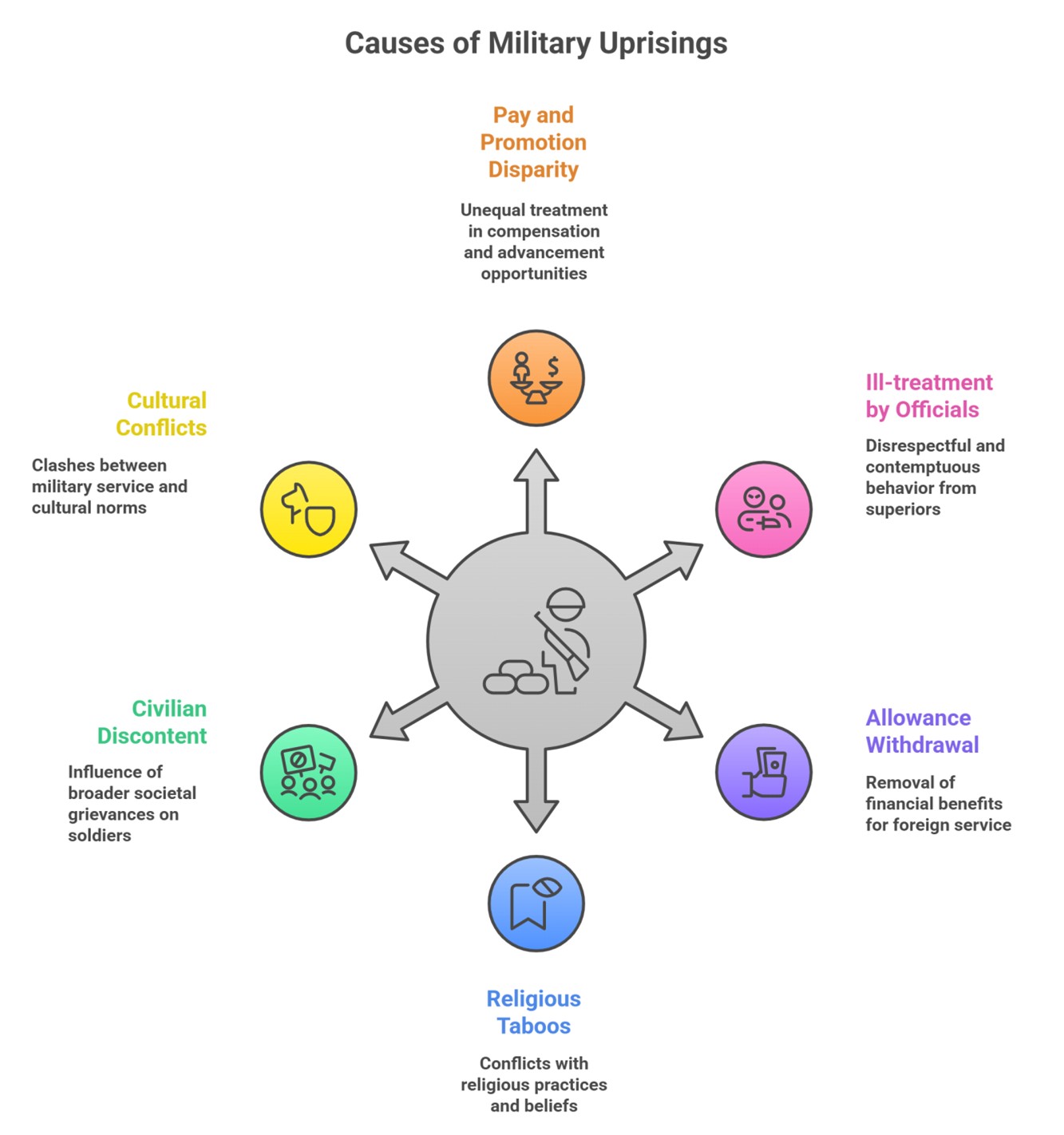
Causes of Military Uprisings

    • Discrimination in Pay and Promotions: Indian sepoys were consistently paid less and denied promotions relative to their British counterparts. This glaring disparity caused widespread resentment among the ranks.
    • Ill-treatment by British Officials: British officers often treated Indian soldiers with contempt, further fueling dissatisfaction and disloyalty.
    • Withdrawal of Foreign Service Allowance: When sepoys were sent to distant territories, they were denied allowances previously granted for such foreign postings. This was viewed as unfair and exploitative.
    • General Service Enlistment Act (1856): High-caste Hindu sepoys opposed this act, introduced by Lord Canning, which required them to serve overseas. Crossing the sea was considered a religious taboo that would lead to loss of caste.
    • Shared Civilian Discontent: Sepoys, being part of the broader Indian society, were influenced by the social, religious, and economic grievances of the civilian population, which further deepened their frustration.
    • Religious and Cultural Conflicts: Service conditions often clashed with the religious beliefs of Indian sepoys. A notable example includes the replacement of turbans with leather cockades at Vellore in 1806, sparking one of the earliest mutinies.
    • Resistance to Overseas Deployment: In 1824, sepoys at Barrackpore revolted when ordered to serve in Burma, as crossing the sea was seen as a violation of caste customs.
Major Sepoy Mutinies Before 1857

1. Bengal Sepoy Mutiny (1764): One of the earliest mutinies, indicating nascent dissatisfaction within the Indian ranks of the British army.

2. Vellore Mutiny (1806): Sparked by interference in religious customs. Sepoys raised the Mysore flag and declared resistance against British authority.

3. Mutiny of the 47th Native Infantry (1824): Occurred due to objections against being sent to serve in Burma.

4. Grenadier Company Revolt (1825): This mutiny occurred in Assam, led by a grenadier company unhappy with service conditions.

5. Sholapur Mutiny (1838): Indian regiments stationed in Sholapur rose in revolt against British directives.

6. Mutinies in Other Native Infantry Units:

        • 34th Native Infantry (1844)
        • 22nd Native Infantry (1849)
        • 66th Native Infantry (1850)
        • 37th Native Infantry (1852)


These revolts, while significant, remained localized and lacked widespread coordination. The British swiftly suppressed them using force, executing the leaders and disbanding rebellious units. Nevertheless, these mutinies highlighted the growing unrest and served as the precursors to the pan-Indian revolt in 1857.

Fault Lines in People’s Uprisings

    • Localised Nature: The uprisings were scattered across different regions and were not coordinated on a national scale.
    • Rooted in Immediate Grievances: Most revolts stemmed from specific local issues such as excessive taxation, land alienation, and religious oppression.
    • Traditional Leadership: Many movements were led by local landlords, tribal chiefs, or former rulers, whose goals were often to restore old privileges rather than introduce new socio-political structures.
    • Lack of Nationalism: Although the desire to resist foreign rule was widespread, these revolts did not arise from a pan-Indian nationalist ideology but were reactions to localized oppression.
    • Conventional Methods: Rebels relied on outdated weapons and traditional warfare tactics, which proved ineffective against the modern military technology and strategic planning of the British forces.
    • Co-option through Concessions: The British often neutralized revolts by offering limited concessions or pacification measures to influential leaders.

Tribal Movements: Period, Region, And Causes At A Glance


Movement

Period

Region

Causes

Naikada Movement

1860s

Madhya Pradesh and Gujarat

Against British rule and caste Hindu oppression

Kharwar Rebellion

1870s

Bihar

Resisted colonial revenue settlement activities

Khonda Dora Campaign

1900

Visakhapatnam

Led by Korra Mallaya against British incursions

Bhuyan and Juang Rebellions

1867–68, 1891–93

Kheonjhar, Odisha

Protested against British puppet king; led by Ratna Nayak and Dharni Dhar Nayak

Bastar Revolt

1910

Jagdalpur

Against new feudal and forest taxes

Tana Bhagat Movement

1914–15

Chotanagpur

Led by Jatra and Balram Bhagat; began as Sanskritisation and became anti-British

Rampa Revolt

1916, 1922–24

Andhra Pradesh

Led by Alluri Sitarama Raju against British forest laws

Jharkhand Uprising

1920 onwards

Bihar, Odisha, West Bengal

Adivasi Mahasabha led to Regional Jharkhand Party in 1949

Forest Satyagrahas

1920s–30s

Andhra Pradesh & Bihar

Chenchus and Karwars protested British forest restrictions

Gond Uprising

1940s

Central India

To promote ‘Gonddharma’ and oppose British rule

North-East Frontier Tribal Movements

Movements Before 1857

Movement

Year

Region

Causes

Ahoms’ Revolt

1828–33

Assam

Protested EIC’s broken promises post-Burmese War

Khasis’ Revolt

1830s

Jaintia-Garo Hills

Led by Tirath Singh against British occupation

Singphos’ Rebellion

1830s

Assam

Murdered British political agent in 1839

Movements After 1857

Movement

Year

Region

Causes

Kukis’ Revolt

1917–19

Manipur

Against British forced recruitment in WWI

Tripura Revolts

1863, 1920s, 1942–43

Tripura

Led by Parikshit Jamatia, Bharti Singh, Ratnamani against tax hikes and settlers

Zeliangrong Movement

1920s

Manipur

Zemi, Liangmei, and Rongmei tribes protested British inaction during Kuki aggression

Naga Movement

1905–31

Manipur

Led by Jadonang to establish a sovereign Naga Raj

Heraka Cult

1930s

Manipur

Gaidinliu’s socio-religious movement for freedom

Other Minor Movements

1860–1904

NE Hills

Syntengs, Phulaguri peasants, Saflas, Kacha Nagas, Manipur Women’s War


The civil and tribal uprisings across India before 1857 reflected widespread resentment against British colonial rule. Though largely localized and led by traditional leaders lacking modern political ideologies, these revolts showcased remarkable courage and unity. While they failed to achieve national independence, they pressured the colonial state to moderate some exploitative policies and helped ignite early nationalist sentiments. These early rebellions laid the groundwork for future struggles, prompting harsher repression from the British after 1857 and marking them as important precursors to India’s freedom movement