History of Sustainable Developmental Goals (SDGs):
Brundtland Commission:
- In 1983, the United Nations established the World Commission on Environment and Development, which subsequently became known as the Brundtland Commission.
- This commission articulated the concept of sustainable development, describing it as the fulfillment of current needs without jeopardizing the capacity of future generations to satisfy their own requirements.
UNCED or Earth Summit 1992, Rio De Janeiro Brazil:
The Earth Summit produced several key documents, including
- the Rio Declaration, which outlines principles designed to steer nations towards sustainable development in the future;
- Agenda 21, a non-binding action plan established by the United Nations to promote sustainable development; and
- the Forest Principles, a non-legally binding framework focused on the conservation and sustainable management of various forest types.
UN Agenda 21:
Agenda 21, which serves as a framework for the 21st century, is a voluntary action plan established by the United Nations that focuses on sustainable development initiatives. Its primary objective is to promote and facilitate sustainable development on a global scale.
Rio+5 (1997):
In 1997, a special session known as Rio+5 was convened by the United Nations General Assembly to evaluate the progress and implementation of Agenda 21.
Post UNCED:
In 2002, the World Summit on Sustainable Development, also known as Rio+10, took place in Johannesburg, South Africa, as a continuation of the United Nations Conference on Environment and Development (UNCED).
Subsequently, in 2012, the United Nations Conference on Sustainable Development, referred to as Rio+20 or the Rio Earth Summit 2012, was convened in Rio de Janeiro, Brazil.
The discussions at these summits addressed several critical issues, including
- the regulation of hazardous substances such as lead in gasoline and radioactive materials,
- the exploration of alternative energy sources to diminish reliance on fossil fuels,
- the promotion of public transportation to alleviate urban congestion,
- the health impacts associated with pollution, and
- the challenges posed by the increasing demand for and limited availability of water resources.
Rio+10 (2002) or Earth Summit 2002:
The Rio+10 conference reaffirmed the United Nations’ dedication to Agenda 21 in conjunction with the Millennium Development Goals (MDGs). Subsequently, the Johannesburg Declaration pledged the global community to pursue sustainable development.
Millennium Development Goals (MDGs) by 2015:
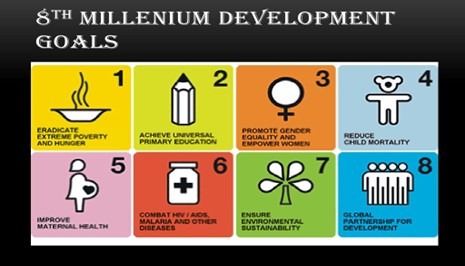
The Millennium Development Goals (MDGs) were initiated in response to the United Nations Millennium Summit held in 2000, and they were subsequently succeeded by the Sustainable Development Goals (SDGs) in 2016, which expanded upon the original eight objectives aimed at addressing critical global challenges by the year 2015.
- The MDGs focused on eradicating extreme poverty and hunger,
- ensuring universal access to primary education,
- promoting gender equality and the empowerment of women,
- reducing child mortality rates,
- enhancing maternal health,
- combating diseases such as HIV/AIDS and malaria,
- ensuring environmental sustainability, and
- fostering a global partnership for development.
Rio+20 (2012) or Earth Summit 2012:
The Rio+20 conference served as a two-decade retrospective of the 1992 Earth Summit and a decade-long review of the 2002 Earth Summit, also referred to as Rio 2012 or Earth Summit 2012. It was during this pivotal event that the Sustainable Development Goals (SDGs) were established, which have since been integrated into the broader framework of Agenda 2030 starting in 2015.
Partnership for Action on Green Economy (PAGE):
Initiated in 2013, PAGE was established as a direct response to the Rio+20 Declaration, titled The Future We Want. Its primary objective is to support nations in their pursuit of the Sustainable Development Goals (SDGs) outlined in the 2030 Agenda, with a particular emphasis on SDG 8, which aims to foster sustained, inclusive, and sustainable economic growth alongside full and productive employment.
UN Agenda 2030 – Sustainable Development Goals:
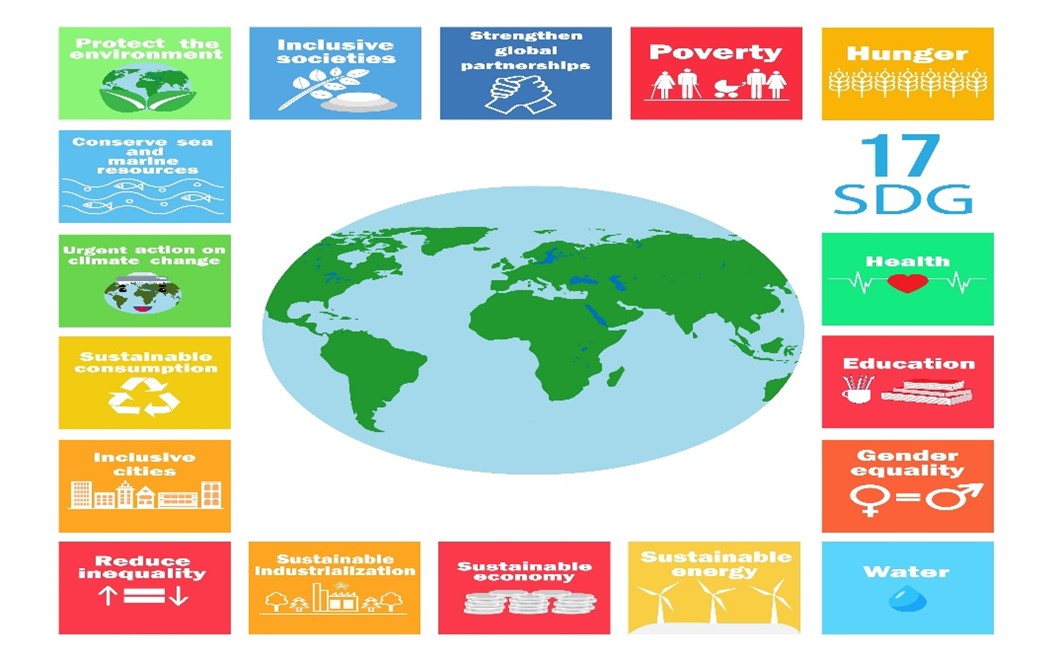
The Sustainable Development Goals (SDGs) comprise a set of 17 global objectives along with 169 specific targets, established by the United Nations General Assembly (UNGA) in 2015, with a target completion date of 2030 as outlined in the UNGA resolution known as the ‘2030 Agenda’. These goals are designed to eliminate poverty in all its manifestations and are committed to fulfilling the human rights of every individual while promoting gender equality.
Goal 1: No Poverty:
Eliminate poverty in all its manifestations globally by guaranteeing equitable access to ownership, vital services, technology, and financial resources, while also fostering resilience against environmental, economic, and social crises.
Goal 2: Zero Hunger:
To eradicate hunger, ensure food security, enhance nutrition, and foster sustainable agricultural practices, it is essential to double the agricultural productivity and income of small-scale food producers, including women and tribal communities, by facilitating greater access to land and minimizing waste.
Additionally, it is crucial to preserve the genetic diversity of seeds while enhancing the quality of land and soil. Furthermore, it is important to avert trade restrictions and distortions that may affect global agricultural markets.
Goal 3: Good Health and Well-Being:
- The objective is to ensure the promotion of healthy lives and well-being for individuals of all ages by implementing various strategies, including the reduction of maternal mortality rates and the elimination of preventable deaths in children under five years old.
- Additionally, efforts will focus on decreasing mortality rates associated with both communicable and non-communicable diseases, as well as addressing substance abuse through prevention and treatment initiatives.
- Mental health promotion will be prioritized, alongside measures to reduce road traffic injuries and fatalities.
- Furthermore, universal access to sexual and reproductive health services, family planning, and education will be established, while striving for universal health coverage.
- Efforts will also be made to mitigate illnesses and fatalities resulting from hazardous chemicals and pollution, in accordance with the WHO framework for tobacco control.
- Support for research and development will be enhanced to ensure universal access to affordable vaccines and medications.
- Moreover, health financing and workforce capacity will be increased in developing nations, and improvements will be made to early warning systems to better address global health risks.
Goal 4: Quality Education:
It is essential to guarantee inclusive and equitable access to quality education while fostering lifelong learning opportunities for everyone by ensuring free and equal access to pre-primary, primary, and secondary education, as well as making technical, vocational, and higher education affordable. Additionally, it is important to enhance the availability of higher education scholarships and to increase the number of qualified educators in developing nations.
Goal 5: Gender Equality:
- To attain gender equality and empower all women and girls, it is essential to eradicate all forms of discrimination against them globally, eliminate violence and exploitation, and abolish harmful practices such as child, early, and forced marriages, as well as female genital mutilation.
- Furthermore, it is crucial to enhance the recognition of unpaid domestic labor and advocate for shared responsibilities within households.
- Ensuring women’s full participation in leadership roles and decision-making processes, safeguarding universal reproductive rights and health, and promoting equal access to economic resources, property ownership, and financial services are vital steps.
- Additionally, leveraging technology to empower women and implementing robust policies and legislation to uphold gender equality are imperative for achieving these goals.
Goal 6: Clean Water and Sanitation:
- Guarantee the accessibility and sustainable governance of water and sanitation services for everyone by ensuring the provision of safe and affordable drinking water, eliminating open defecation, and facilitating access to sanitation and hygiene facilities.
- It is essential to address the unique requirements of women, girls, and individuals with disabilities, while also enhancing water quality, implementing effective wastewater treatment and reuse strategies, and promoting efficient water usage alongside the conservation of freshwater resources.
- Furthermore, the adoption of Integrated Water Resources Management (IWRM) practices is crucial, as is the protection and restoration of ecosystems that are dependent on water resources.
Goal 7: Affordable and Clean Energy:
Facilitate the availability of energy that is affordable, dependable, sustainable, and contemporary for everyone by enhancing the proportion of renewable energy sources.
Goal 8: Jobs and Growth:
- The objective is to foster enduring, inclusive, and sustainable economic development alongside achieving full and productive employment.
- This can be accomplished through enhancing resource efficiency in both consumption and production, ensuring equitable employment opportunities with fair compensation, and actively promoting youth employment, education, and training initiatives.
- Additionally, it is crucial to eradicate modern slavery, human trafficking, and child labor, uphold labor rights, and create safe working conditions.
- Furthermore, the promotion of sustainable and beneficial tourism, as well as guaranteeing universal access to banking, insurance, and financial services, are essential components of this comprehensive approach.
Goal 9: Industry, Innovation, and Infrastructure:
Enhance the robustness of infrastructure, encourage inclusive and sustainable industrialization, and stimulate innovation by expanding access to financial services and markets, promoting the development of domestic technologies and diversifying industries, and guaranteeing universal access to information and communication technologies.
Goal 10: Reduced Inequality:
To mitigate income inequality both domestically and internationally, it is essential to foster universal inclusion across social, economic, and political spheres, guarantee equitable opportunities while eradicating discrimination, enhance the regulation of financial markets and institutions, increase the representation of developing nations within financial organizations, establish responsible and effectively managed migration policies, and lower the transaction costs associated with migrant remittances.
Goal 11: Sustainable Cities and Communities:
Promote the development of urban areas and human habitats that are inclusive, secure, resilient, and sustainable by facilitating access to affordable housing, efficient transportation systems, and sustainable urban development. Additionally, it is essential to safeguard the cultural and natural heritage of the planet, mitigate the negative consequences of natural disasters, and lessen environmental impacts while ensuring that all individuals have access to safe, inclusive green spaces and public areas.
Goal 12: Responsible Consumption and Production:
Promote sustainable consumption and production practices by implementing effective management and utilization of natural resources, halving global food waste per capita across all sectors, ensuring the environmentally responsible handling of chemicals and waste throughout their entire life cycle, minimizing waste generation through strategies such as prevention, reduction, recycling, and reuse, and eliminating market distortions, such as subsidies for fossil fuels, that promote inefficient consumption.
Goal 13: Climate Action:
It is imperative to take immediate measures to address climate change and its consequences through the regulation of emissions and the advancement of renewable energy initiatives.
This can be achieved by enhancing resilience and adaptive capabilities in the face of climate-related disasters, incorporating climate change considerations into policy-making and planning processes, fostering knowledge and skills necessary to tackle climate change, and executing the provisions of the United Nations Framework Convention on Climate Change (UNFCCC).
Goal 14: Life Below Water:
- It is imperative to conserve and utilize the oceans, seas, and marine resources in a sustainable manner to promote sustainable development.
- This can be achieved by mitigating marine pollution and ocean acidification while also safeguarding and rehabilitating ecosystems.
- Furthermore, it is essential to support sustainable fishing practices and small-scale fishers, eliminate subsidies that encourage overfishing, and enhance the economic advantages derived from the sustainable exploitation of marine resources.
Goal 15: Life on Land:
The objectives include the protection, restoration, and promotion of sustainable practices within terrestrial ecosystems, the sustainable management of forests, the combat against desertification, and the reversal of land degradation alongside the preservation of biodiversity.
This can be achieved through various strategies such as conserving and rehabilitating ecosystems, halting desertification while restoring affected lands, safeguarding mountain ecosystems and their biodiversity, mitigating urban expansion, ensuring equitable access to genetic resources, eradicating poaching and trafficking of endangered species, preventing the introduction of invasive alien species across ecosystems, and enhancing financial investments aimed at the conservation and sustainable utilization of ecosystems and biodiversity, as well as supporting sustainable forest management initiatives.
Goal 16: Peace, Justice, and Strong Institutions:
Foster harmonious and inclusive communities to achieve sustainable development, guarantee justice for everyone, and establish effective, accountable, and inclusive institutions across all levels by safeguarding children from abuse, exploitation, trafficking, and violence; upholding the rule of law and ensuring equitable access to justice; tackling organized crime and the illicit flow of finances and arms; significantly diminishing corruption and bribery; cultivating transparent and accountable institutions; promoting inclusive and representative decision-making processes; offering universal legal identity; and ensuring public access to information while safeguarding fundamental freedoms.
Goal 17: Partnership for the Goals:
Enhance the mechanisms for implementation and rejuvenate the international collaboration aimed at sustainable development by supporting developing nations in achieving debt sustainability, facilitating investments in the least-developed countries, fostering knowledge exchange and cooperation to improve access to science, technology, and innovation, promoting the adoption of sustainable technologies in developing regions, advocating for a universal trading framework under the World Trade Organization, and eliminating trade barriers that hinder the progress of least-developed countries.
Key Findings of the Sustainable Development Report 2024:
Global SDG Progress:
- Only 16% of SDG targets are on track for 2030, while 84% show limited or reversed progress.
- Since 2020, SDGs 2 (Zero Hunger), 11 (Sustainable Cities), 14 (Life Below Water), 15 (Life on Land), and 16 (Peace & Justice) have stagnated.
- Significant reversals observed in obesity rates, press freedom, biodiversity loss, nitrogen management, and life expectancy.
- Slight positive trends noted in SDG 9 (Industry, Innovation & Infrastructure).
Food & Land Systems:
- SDG targets off track, with 600 million people expected to suffer from hunger by 2030 despite rising global obesity.
- Agriculture, Forestry & Land Use (AFOLU) accounts for nearly 25% of global GHG emissions.
Regional & Country Performance:
- Top Countries: Nordic nations lead with Finland (86.4), Sweden (85.7), Denmark (85.0), Germany (83.4), and France ranking highest.
- Fastest Progress: BRICS & BRICS+ nations (Egypt, Ethiopia, Iran, Saudi Arabia, UAE) show above-average growth.
- Lowest Performers: South Sudan, Central African Republic, Chad rank at the bottom.
- East & South Asia have shown the most SDG progress since 2015.
Investment Challenges:
- Extreme Poverty: 10% of the world’s population survives on less than USD 1.90/day.
- Financial Inclusion: Only 43% of adults in low-income countries (LICs) have formal financial access.
- Funding Gaps: LICs need USD 290 billion annually for SDG implementation.
- Education Crisis: 262 million children out of school, over half in Sub-Saharan Africa & Southern Asia.
- Child Labour: 152 million children engaged in child labour, limiting education and development.
Global Cooperation & UN-Based Multilateralism:
New Index (UN-Mi) ranks countries based on UN engagement.
- Top 5: Barbados, Antigua & Barbuda, Uruguay, Mauritius, Maldives.
- Bottom 5: US, Somalia, South Sudan, Israel, North Korea.
Evaluates treaty ratification, voting records, UN membership, militarization, unilateral sanctions, and financial contributions.
India’s Performance in SDG Index 2024:
- 109th rank with an overall score of 64.0.
- Only 30% of SDG targets achieved or on track, 40% show slow progress, and 30% are worsening.
- Strongest performance in SDG 1 (No Poverty), SDG 4 (Quality Education), SDG 12 (Responsible Consumption), and SDG 13 (Climate Action).
SDG Dashboard & Trends:
International Spillover Index evaluates India’s global impact based on:
- Environmental & social effects (pollution from exports).
- Economic spillovers (financial crises spreading globally).
- Security spillovers (regional instability affecting safety elsewhere).
- Statistical Performance Index: India scored 74.5, reflecting moderate national data reliability, crucial for tracking SDG progress.
UNFCCC Summits Post Kyoto:
Subsequent to the Kyoto Protocol, the parties involved in the Convention have consented to additional obligations. The Conference of the Parties serving as the meeting of the Parties to the Kyoto Protocol (CMP) convened in Montreal, Canada, in 2005, coinciding with the ratification of the Kyoto Protocol during the same year.
Summits Before 2015 Paris Summit:
Bali (Indonesia) CCC 2007 (COP 13; CMP 3):
- The 13th session of the Conference of the Parties to the United Nations Framework Convention on Climate Change (UNFCCC) is referred to as COP 13.
- Concurrently, CMP 3 denotes the third session of the Conference of the Parties that functions as the Meeting of the Parties to the Kyoto Protocol.
- During this period, governments endorsed the Bali Road Map, which included a decision made at COP15 and an evaluation of the financial mechanisms, extending beyond the current Global Environmental Facility.
Poznan (Poland) CCC 2008 (COP 14; CMP 4):
The Adaptation Fund was established as part of the Kyoto Protocol, receiving financial support from both governmental sources and private contributors, in addition to a 2% allocation of the revenues generated from Certified Emission Reductions (CERs) that are produced through projects under the Clean Development Mechanism.
Copenhagen (Denmark) CCC 2009 (COP 15; CMP 5):
- The Copenhagen Accord established an objective to restrict the increase in the global average temperature to a maximum of 2°C above pre-industrial levels, with a review scheduled for 2015.
- Additionally, developed nations committed to allocating US$30 billion for the years 2010 to 2012 and to facilitating the mobilization of long-term financing amounting to an additional US$100 billion annually by the year 2020.
Cancún (Mexico) CCC 2010 (COP 16; CMP 6):
- The parties have reached a consensus to limit the increase in global temperatures to a maximum of 2°C above pre-industrial levels, with the intention of potentially reducing this threshold to 1.5°C in the foreseeable future.
- Additionally, they have committed to the establishment of a Green Climate Fund (GCF) aimed at financing various projects, programs, policies, and other initiatives in developing nations through designated funding channels.
- Furthermore, the Government of India has consented to incorporate carbon capture and storage (CCS) technologies within the framework of the Clean Development Mechanism (CDM), contingent upon adherence to established technical and safety criteria.
Durban Climate Conference (COP 17, CMP 7) – 2011:
The commitment to establish a global legal framework for climate agreements was set for the year 2015, alongside the successful attainment of the second phase of the Kyoto Protocol and the endorsement of the Governing Instrument for the Green Climate Fund (GCF).
Green Climate Fund (GCF) Milestones:
- The sixteenth Conference of the Parties (COP 16) held in 2010 resulted in the decision to create the Green Climate Fund (GCF).
- Subsequently, the seventeenth Conference of the Parties (COP 17) in 2011 provided the legal endorsement for the Governing Instrument of the GCF.
- In 2012, during COP 18, Songdo, South Korea was selected as the official headquarters for the GCF.
- The operational phase commenced in 2013, with the GCF being established as a financial mechanism aimed at assisting developing countries in their efforts to mitigate and adapt to climate change.
- The overarching goal of the GCF is to serve as a central component of global climate finance, with an ambitious target of mobilizing $100 billion annually by the year 2020.
Doha (Qatar) CCC 2012 (COP 18; CMP 8):
- The COP18 conference successfully reached a consensus to prolong the Kyoto Protocol, which was originally set to conclude at the end of 2012, extending its validity until 2020, thereby establishing a second commitment period from 2013 to 2020.
- However, this extension was limited in its effectiveness, as it only encompassed 15% of global CO2 emissions.
- This limitation arose from the absence of participation from several key nations, including Canada, Japan, Russia, Belarus, Ukraine, and New Zealand, all of which declined to engage in the second commitment period.
- Additionally, the United States never ratified the Kyoto Protocol. Furthermore, it is important to note that major developing countries such as China, India, and Brazil were not obligated to implement emission reductions under the terms of the Kyoto Protocol.
Warsaw (Poland) CCC 2013 (COP 19; CMP 9):
The phrase Intended Nationally Determined Contributions (INDC) was first introduced during the discussions in Warsaw.
Additionally, the Warsaw Mechanism was suggested, aiming to offer technical assistance and potentially financial support to developing countries in order to address the impacts of natural disasters, including heatwaves, droughts, and floods, as well as challenges posed by rising sea levels and desertification.
Lima (Peru) CCC 2014 (COP 20; CMP 10):
- The primary objective of the conference is to mitigate greenhouse gas emissions in order to restrict the rise in global temperatures to no more than 2°C above the baseline established in 1850, which corresponds to the pre-industrial period, by the year 2030.
- Furthermore, the agreement called upon participating nations to formalize their national commitments by completing their Intended Nationally Determined Contributions (INDC) by November 2015, prior to the Paris Summit.
Developed vs. Developing:
Developed Nations’ Position:
The United States and the European Union contend that the increasing emissions from developing nations require more substantial commitments to emission reductions.
India’s Stance on Climate Responsibility:
- India contests this assertion, alleging that developed countries are compromising the principle of Common but Differentiated Responsibilities (CDR).
- It argues that the historically elevated emissions produced by these nations warrant a heightened level of accountability on their behalf.
- Furthermore, India’s commitment to poverty alleviation significantly shapes its position regarding the distribution of carbon credits.
Summits Post 2015 Paris Summit:
Paris Agreement:
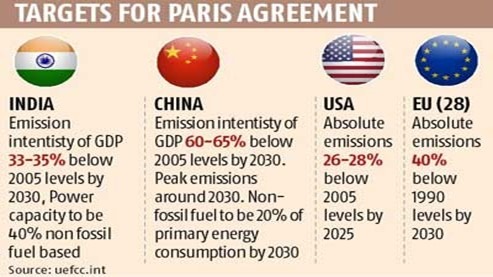
The Paris Agreement, established in 2015, represents a significant international treaty designed to combat climate change and mitigate its detrimental effects. This agreement superseded the Kyoto Protocol, offering a more comprehensive framework for the reduction of greenhouse gas (GHG) emissions.
Key Goals:
- Among its primary objectives is the commitment to limit the increase in global temperatures to well below 2°C, with an aspirational target of 1.5°C by the year 2100.
- Additionally, the agreement emphasizes the necessity of providing support to vulnerable nations that are experiencing financial repercussions due to severe climate-related events.
- It also aims to mobilize financial resources to assist developing countries in their efforts to adapt to climate change and transition towards sustainable energy sources, although it is important to note that these commitments are not legally binding for developed nations.
Commitments:
- In terms of commitments, more than 180 countries presented their Intended Nationally Determined Contributions (INDCs) aimed at reducing carbon emissions prior to the conference.
- While these INDCs were acknowledged within the framework of the agreement, they do not carry legal obligations.
- India has reiterated its commitment to its INDCs, demonstrating alignment with the climate action objectives set forth by the Paris Agreement.
Marrakech (Morocco) CCC 2016 (COP22; CMP12; CMA1):
The 22nd Conference of the Parties (COP22) was referred to as the ‘Action COP’ or the ‘Agriculture COP’. During this conference, the Adaptation of African Agriculture (AAA) initiative was introduced, which is supported by the Food and Agriculture Organization (FAO) in collaboration with several governments, particularly those from African nations.
COP 26:
- The 26th session of the Conference of the Parties to the United Nations Framework Convention on Climate Change (UNFCCC COP26) took place in November 2021 in Glasgow, United Kingdom.
- This gathering marked the third meeting of the parties to the Paris Agreement established in 2015 (CMA3) and the sixteenth meeting of the parties to the Kyoto Protocol (CMP16).
- A primary objective of COP26 was to finalize the operational rules and procedures necessary for the effective implementation of the Paris Agreement.
- According to the stipulations of the Paris Agreement, participating nations are required to present progressively ambitious climate action plans every five years.
- Consequently, by the year 2020, countries were expected to either submit or revise their strategies for emission reductions, referred to as Nationally Determined Contributions (NDCs).
The Glasgow Climate Pact:
- The Glasgow Climate Pact, established during COP26, underscores the critical significance of the latest reports from the Intergovernmental Panel on Climate Change (IPCC).
- It reaffirms the temperature objectives set forth in the Paris Agreement, aiming to limit the rise in global average temperature to well below 2°C above pre-industrial levels, while striving to restrict the increase to 1.5°C.
- To achieve global net zero emissions by 2050, the Pact urges nations to enhance their climate action plans, known as Nationally Determined Contributions (NDCs), by the year 2022.
- Furthermore, it calls for a reduction in coal usage, advocating for a phasedown rather than a complete phase-out.
- The Pact also emphasizes the need for countries to eliminate inefficient fossil fuel subsidies. Developed nations are urged to honor their previous commitments by mobilizing $100 billion annually until 2025, a promise made in 2009 to support climate action.
- Additionally, the Pact introduces the ‘Glasgow Dialogue’ to facilitate discussions on funding arrangements related to loss and damage as outlined in the Paris Agreement, which addresses the impacts of climate change.
- Finally, it acknowledges the operationalization of the Santiago network, aimed at preventing, minimizing, and addressing loss and damage linked to the adverse effects of climate change.
Carbon Markets:
- The Kyoto Protocol established a carbon market that has since ceased to exist following its expiration in 2020.
- Currently, a new carbon market under the Paris Agreement has yet to be operational.
- Developing nations such as India, China, and Brazil possess significant quantities of surplus carbon credits due to diminished demand, as numerous countries have retracted their emission reduction commitments.
- These developing nations have advocated for the transfer of their unutilized carbon credits to the new market, a proposition that has faced resistance from developed countries.
- This impasse has hindered the completion of the Paris Agreement’s procedural framework.
- The Glasgow Pact, however, has permitted the utilization of these surplus carbon credits to fulfill the initial Nationally Determined Contributions (NDCs) of countries, although such credits cannot be applied to subsequent NDCs.
- Consequently, developed nations have the opportunity to acquire these credits to meet their targets until the year 2025.
Major Outcomes of COP26:
- The conclusion of COP26 marked the completion of the Paris ‘rulebook’, addressing essential political decisions that were necessary for the Parties to initiate the implementation of the Paris Agreement.
- Furthermore, it initiated an important stock-taking process aimed at evaluating the progress of the Parties in relation to the implementation of the Paris goals over the forthcoming two years, which will ultimately lead to the Global Stocktake in 2023.
Collaboration:
The importance of non-Party stakeholders is acknowledged, encompassing civil society, indigenous populations, the natural environment, local communities, as well as youth and children.
Action for Climate Empowerment and Youth:
- The agreement established a new 10-year work programme in Glasgow dedicated to Action for Climate Empowerment (ACE), which emphasizes the importance of enhancing climate education, training, and public awareness.
- A significant outcome of this initiative is the acknowledgment of youth as essential catalysts for change in the climate action landscape.
Gender:
- During the COP25 conference, the Parties reached a consensus on a five-year enhanced Lima work programme focused on gender, which includes a comprehensive gender action plan.
- Subsequently, at COP27, the Parties committed to revisiting the Gender Action Plan in 2022. This initiative aims to promote the meaningful and equitable involvement of women in climate action efforts.
Marrakech Partnership:
- During the COP26 conference, the High-Level Champions introduced a five-year strategy aimed at advancing the Improved Marrakech Partnership for Enhancing Ambition.
- This partnership serves as a collaborative platform within the UN Climate Change framework, facilitating cooperation among various stakeholders, including Parties, businesses, local governments, investors, and civil society organizations.
Paris Rulebook:
- The 2018 Paris Rulebook establishes the framework by which the global community of 191 nations is required to commit to emissions reduction targets in accordance with the Paris Agreement, as well as to report on their advancements.
- Additionally, it includes stipulations for wealthier nations to offer financial support for climate action initiatives in developing countries.
- The Paris Agreement has established a foundational framework for global action, while the accompanying Rulebook will operationalize this Agreement by detailing the necessary tools and procedures for its effective implementation.
Article 6:
- Article 6.2 establishes the framework for both bilateral and mini-multilateral markets by delineating the conditions under which carbon credits may be utilized to fulfill a nation’s nationally determined contributions (NDCs).
- Furthermore, Article 6.4 introduces a centralized global market known as the Sustainable Development Mechanism (SDM), which effectively replaces the Clean Development Mechanism (CDM) that was part of the Kyoto Protocol.
- The advent of the SDM has led to a resolution of significant political disputes that had long divided the Parties, particularly concerning the prevention of double counting of emissions reductions, the utilization of surplus CDM credits, and the provision of adaptation finance.
Global Methane Pledge:
- More than 100 nations have committed to decreasing methane emissions by a minimum of 30% from current levels by the year 2030.
- If this commitment is fulfilled, it is projected to prevent an increase in global temperatures by approximately 0.2°C by the mid-century mark. Notably, India has not joined this commitment.
Enhanced Climate Actions by Other Countries:
- More than 30 nations have committed to a declaration aimed at achieving a transition to fully zero-emission vehicles by 2040, particularly in the world’s foremost markets.
- For instance, Brazil has accelerated its net-zero target from 2060 to 2050.
- Meanwhile, China has pledged to provide a comprehensive plan detailing its commitment to peak emissions by 2030 and to reach net-zero by 2060. Additionally, Israel has set a net-zero target for the year 2050.
Glasgow Breakthrough Agenda:
- This agenda has received the endorsement of 42 nations, including India. It represents a collaborative initiative aimed at expediting the implementation of clean technologies and sustainable practices across various sectors, such as renewable energy, transportation, steel production, and hydrogen utilization.
Glasgow Finance Alliance for Net Zero (GFANZ):
- The initiative unites more than 160 organizations to spearhead net zero efforts within the financial sector, aiming to expedite the shift towards achieving net zero emissions by the year 2050 at the latest.
- Membership in the GFANZ alliances requires accreditation from the UN Race to Zero campaign.
- Participants are obligated to adhere to science-based protocols to attain net zero emissions, encompass all categories of emissions, establish interim targets for 2030, and engage in transparent reporting and accounting practices that align with the standards set forth by the UN Race to Zero initiative.
India at COP26:
India’s Commitment – Five-Fold Strategy:
- India unveiled a comprehensive five-pronged approach, known as Panchamrit, to combat climate change during the COP26 summit.
- This strategy includes a commitment to sourcing 50% of its energy from renewable sources, a pledge to reduce carbon emissions by one billion tonnes by 2030, and a target to decrease emissions intensity per unit of GDP by over 45%, surpassing the previous Nationally Determined Contribution (NDC) goal of 35%.
- Additionally, India aims to install 500 Gigawatts of renewable energy by 2030 and achieve net zero emissions by 2070.
- At the Glasgow conference, India also promoted the slogan ‘One LIFE, One World’ and urged developed nations to provide $1 trillion for climate financing.
- Notably, India has already met its goal of 40% of installed electric capacity from non-fossil fuels ahead of the 2030 deadline, raising the target to 50%.
- The introduction of the National Hydrogen Mission and Green Hydrogen Policy is part of India’s strategy to attain energy independence by 2047.
- The ambitious 50% renewable energy target will be supported through technology transfer and affordable international financing, including contributions from the Green Climate Fund (GCF).
“Phase Down of Coal not Phase Out”:
- The Glasgow Climate Pact articulates that the utilization of “unabated coal should be phased down” rather than completely phased out.
- This language has drawn criticism from various nations, particularly directed at India, for diluting the original proposals.
- The final agreement emphasizes a “phase down” approach instead of a definitive “phase out” of coal.
- India has advocated for this phased down strategy, arguing that it will enhance the commercial feasibility of emerging technologies essential for increasing renewable energy capacities.
- The Glasgow Climate Pact articulates that the utilization of “unabated coal should be phased down” rather than completely phased out.
Leader’s Declaration on Forests and Land Use:
- During the COP26 climate negotiations, more than 100 nations endorsed a declaration concerning Forests and Land Use, which was spearheaded by the United Kingdom with the objective of ceasing deforestation and land degradation by the year 2030.
- This declaration emphasizes the critical function of forests in regulating greenhouse gas emissions, adapting to climate change effects, and sustaining vital ecosystem services.
- Notably, the declaration has garnered the support of over 105 signatories, including major powers such as the UK, US, Russia, and China.
- However, it is important to note that India, along with Argentina, Mexico, Saudi Arabia, and South Africa, refrained from signing the declaration, particularly due to its linkage of trade issues with climate change and forest management.
- India expressed concerns regarding the inclusion of the term ‘trade’ in the declaration, arguing that trade matters should remain under the jurisdiction of the World Trade Organization and not be intertwined with climate change agreements.
- Despite India’s request for the removal of the term, consensus could not be reached, leading to India’s decision not to endorse the declaration.
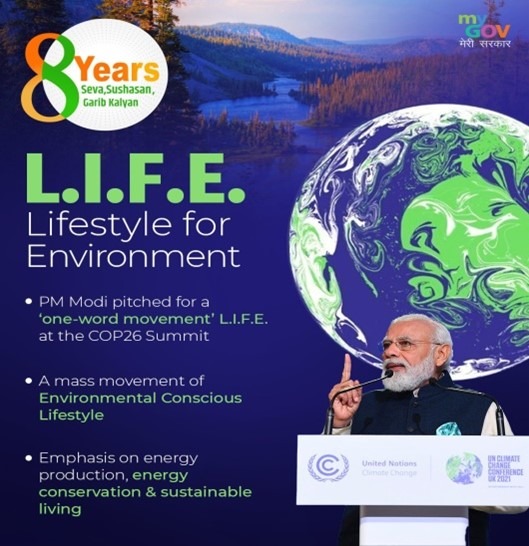
LiFE (Lifestyle for Environment):
- Prime Minister Modi inaugurated ‘Mission LiFE’ (Lifestyle for Environment), a concept he introduced at COP26.
- This initiative, spearheaded by India, aims to assist the global community in combating climate change while promoting a sustainable lifestyle that aligns with the sustainable development goals.
- The mission encourages both individual and collective efforts to safeguard the environment, striving to transition from a linear ‘use and dispose’ economy to a circular economy focused on ‘reduce, reuse, and recycle.
- ‘ The fundamental tenet of Mission LiFE is encapsulated in the phrase ‘Lifestyle of the planet, for the planet, and by the planet,’ which reinforces the P3 model—Pro Planet People.
COP 28:
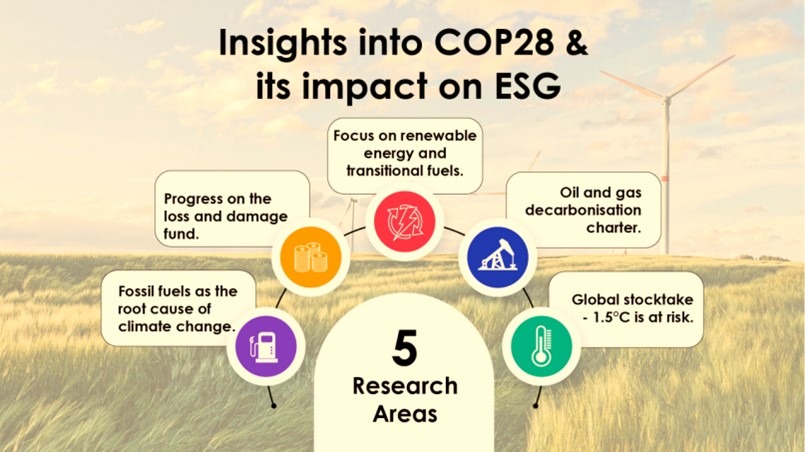
- An inter-ministerial delegation from India attended the 28th Session of the UN Climate Change Conference (COP 28) held in Dubai, United Arab Emirates from 30th November’2023 to 13th December’2023. The major outcome from COP 28 included the decision on Outcome of the First Global Stocktake, ratcheting up global climate ambition before the end of the decade. These global efforts will be taken up by the countries in a nationally determined manner taking into account the Paris Agreement and their different national circumstances. Another major outcome of COP 28 is the agreement on the operationalization of the Loss and Damage Fund and its funding arrangements.
- The decision on Loss and Damage Fund adopted at COP 28 approved the Governing instrument of the Loss and Damage Fund and decided that the Fund will be serviced by new, dedicated and independent secretariat. It was also decided that the Fund will be supervised and governed by the Board. The Fund is accountable to and functions under the guidance of the Conference of Parties serving as the meeting of the Parties to the Paris Agreement (CMA).
- Since the decision, an amount of around USD 700 million to date has been pledged by several countries, including United Arab Emirates, Germany, United Kingdom, European Union, Japan. The purpose of the Fund is to assist developing countries that are particularly vulnerable to the adverse effects of climate change in responding to economic and non-economic loss and damage associated with the adverse effects of climate change, including extreme weather events and slow onset events. The detailed decision text on Loss and Damage Fund adopted at COP 28.
- Another major outcome related to Loss and Damage is the decision on Santiago network for averting, minimizing and addressing loss and damage to catalyse the technical assistance of relevant organizations, bodies, networks and experts for the implementation of relevant approaches associated with climate change impacts. The host of the Secretariat for the Santiago Network was finalized at COP 28. The joint consortium of the United Nations Office for Disaster Risk Reduction and the United Nations Office for Project Services have been selected as the host of the Santiago network secretariat for an initial term of five years, with five-year renewal periods.
- Countries including Canada, Japan, Spain, Switzerland and the United States of America have announced their financial contributions to the work of the Santiago network.
COP 29:
COP29, held in Baku, Azerbaijan, concluded with Baku Climate Unity Pact and several significant agreements.
Outcomes of COP 29
New Collective Quantified Goal (NCQG):
- The NCQG is the amount that must be mobilised by developed countries every year from 2025 onward to finance climate action in developing countries.
- Developed countries have agreed to triple finance to developing countries, from the previous goal of USD 100 billion annually, to USD 300 billion annually by 2035.
Carbon Markets:
- COP 29 agreed on the rules and methodologies for the international carbon trading system envisioned by Article 6 of the Paris Agreement.
- Article 6 sets out a system in which countries can trade emission reduction credits between themselves so that an emission reduction in one country can be counted against the emissions generated in another country.
Baku Workplan:
The Baku Workplan adopted at COP29 aims to elevate the voices of Indigenous Peoples and local communities in climate action.
COP29 Hydrogen Declaration:
- It endorsed the commitment to scale up renewable, clean/zero-emission and low-carbon hydrogen production and accelerate the decarbonisation of existing hydrogen production from unabated fossil fuels.
COP 29 Declaration on reducing methane from organic wastes:
- Around 30 countries, collectively responsible for nearly 50% of global methane from organic waste emissions, endorsed the COP29 declaration on reducing methane from organic waste.
- It aims to set sectoral targets to reduce methane from organic waste.
- India is not a signatory to the Declaration.
Shortcomings in COP 29
- The $300 billion annual climate finance commitment from developed countries is insufficient to meet the estimated $1.3 trillion annual climate finance needs of developing countries.
- COP29 saw insufficient pledges to meet the 1.5°C target as global emissions have been rising in 2023.
- A study released before COP29 indicated that the world was already 1.49°C warmer than pre-industrial levels by the end of 2023.
Others:
UN-REDD and REDD+:
The REDD initiative, which stands for Reducing Emissions from Deforestation and Forest Degradation, was established in 2008 with the aim of mitigating emissions associated with deforestation.
This program is a joint effort involving the Food and Agriculture Organization (FAO), the United Nations Development Programme (UNDP), and the United Nations Environment Programme (UNEP), all of which are committed to promoting sustainable forest management and enhancing carbon stocks.
The primary objectives of this initiative include:
- reducing deforestation rates to lower greenhouse gas emissions,
- increasing forest carbon stocks through afforestation and improved management practices,
- integrating sustainable development principles into forest policy frameworks,
- offering financial incentives for emissions reductions, and
- reinforcing governance and monitoring mechanisms to ensure effective implementation of these strategies.
The evolution and expansion of REDD+ initiatives began with the Bali Action Plan established during COP-13 in 2007, which acknowledged the necessity for policy incentives aimed at mitigating deforestation.
- This framework was further enhanced in 2010 through the Cancun Agreements at COP-16, which broadened its scope to encompass the conservation of forest carbon stocks, the promotion of sustainable forest management practices, and the restoration of ecosystems in conjunction with efforts to reduce emissions.
- Additionally, it introduced a mechanism whereby developed nations provide financial compensation to developing countries for their contributions to avoided deforestation, facilitated through results-based financing.
- The Forest Carbon Partnership Facility (FCPF) emerged as a global coalition dedicated to advancing the implementation of REDD+, focusing on capacity-building, equitable distribution of benefits, and the conservation of biodiversity.
- This initiative operates through the Readiness Fund and the Carbon Fund, which are supported by both governmental and private sector contributions.
- The World Bank, in collaboration with organizations such as UNDP, FAO, and the Inter-American Development Bank, plays a crucial role in delivering both technical and financial assistance to countries engaged in REDD+ efforts.
Forest Carbon Partnership Facility:
- This initiative represents a worldwide collaboration among governments, corporations, civil society, and Indigenous communities aimed at mitigating emissions associated with activities known as REDD+.
- These activities include the prevention of deforestation and forest degradation, the preservation and enhancement of forest carbon stocks in developing nations, as well as the sustainable management of forest resources.
The World Bank serves as both the trustee and secretariat. In collaboration with the Inter-American Development Bank and the United Nations Development Programme (UNDP), it acts as a delivery partner under the Readiness Fund, tasked with facilitating support for REDD+ readiness initiatives.
Objectives:
- The objective is to support nations in their REDD+ initiatives by offering both financial resources and technical expertise.
- Additionally, it aims to implement a performance-based payment framework for REDD+.
- The initiative will explore methods to maintain or improve the livelihoods of local communities while simultaneously promoting biodiversity conservation.
- Furthermore, it seeks to widely share the insights acquired from Emission Reductions Programs (ERPs).
Climate and Clean Air Coalition (CCAC):
- In the year 2012, several countries, in collaboration with the United Nations Environment Programme (UNEP), established the Climate and Clean Air Coalition.
- This coalition comprises a diverse array of stakeholders, including governmental bodies, entities from both the public and private sectors, scientific organizations, and civil society groups, all dedicated to safeguarding the climate by implementing measures aimed at diminishing short-lived climate pollutants.
Short-lived climate pollutants (SLCPs):
- Short-lived climate pollutants (SLCPs) exist in the atmosphere for a limited duration, ranging from several days to a few decades.
- Despite their brief presence, these substances possess a warming potential that can significantly exceed that of carbon dioxide (CO2).
- In fact, SLCPs contribute to approximately 45% of the ongoing global warming, making them the second most influential factor after CO2.
- The category of SLCPs encompasses various compounds, including black carbon, methane, tropospheric ozone, and hydrofluorocarbons (HFCs).
Benefits of Reducing SLCPs:
- Mitigating short-lived climate pollutants (SLCPs) such as methane and black carbon can significantly reduce agricultural losses.
- Furthermore, addressing these pollutants has the potential to decrease the anticipated temperature rise by approximately 0.5 °C by the year 2050, thereby contributing to the global effort to meet the 2°C limit established by the Paris Agreement.
Other Minor Initiatives:
BioCarbon Fund Initiative:
The BioCarbon Fund Initiative for Sustainable Forest Landscapes (ISFL) represents a collaborative financial mechanism, backed by various donor governments and overseen by the World Bank. Its primary objective is to facilitate the reduction of greenhouse gas emissions originating from the land sector, specifically targeting deforestation and forest degradation in developing nations through the REDD+ framework. Additionally, the initiative promotes sustainable agricultural practices and advocates for more effective land-use planning and policy development.
Cool Coalition:
- The initiative seeks to foster ambition and expedite the transition towards clean and efficient cooling solutions.
- It was introduced during the inaugural Global Conference on Synergies between the 2030 Agenda and the Paris Agreement in 2019.
- This global endeavor is spearheaded by several organizations, including the United Nations Environment Programme (UNEP), the Climate and Clean Air Coalition, the Kigali Cooling Efficiency Program, and Sustainable Energy for All (SEforALL).
Global Climate Change Alliance + (GCCA+):
- The Global Climate Change Alliance Plus (GCCA+) is an initiative launched by the European Union aimed at assisting countries that are particularly vulnerable to the impacts of climate change.
- This program primarily focuses on Small Island Developing States (SIDS) and Least Developed Countries (LDCs), enhancing their capacity to adapt to climate-related challenges.
- Additionally, GCCA+ plays a crucial role in aiding these nations to fulfill their obligations under the 2015 Paris Agreement (COP21).
Global Alliance for Climate-Smart Agriculture (GACSA):
The Global Alliance for Climate-Smart Agriculture (GACSA), supported by the Food and Agriculture Organization (FAO) and numerous governments, aims to enhance food security, nutrition, and resilience against climate change.
GACSA is dedicated to achieving three key objectives:
- firstly, to sustainably increase agricultural productivity and income for farmers;
- secondly, to strengthen farmers’ ability to withstand extreme weather events and adapt to a changing climate; and
- thirdly, to minimize greenhouse gas emissions linked to agricultural practices whenever feasible.
GHG Protocol:
- The GHG Protocol is in the process of creating standards, tools, and online educational resources aimed at assisting nations, municipalities, and corporations in monitoring their advancement towards climate objectives.
- It provides structured methodologies for quantifying and managing greenhouse gas (GHG) emissions across both private and public sector activities, supply chains, and various mitigation strategies.
- The inception of the GHG Protocol can be traced back to the late 1990s when the World Resources Institute (WRI) and the World Business Council for Sustainable Development (WBCSD) identified the necessity for a global standard for corporate GHG accounting and reporting.
Arctic Council:
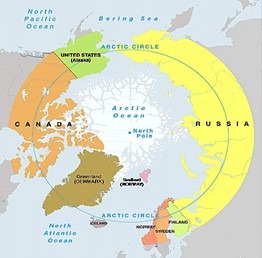
The Arctic Council serves as an intergovernmental platform that fosters collaboration, coordination, and engagement among the Arctic nations, Indigenous communities, and other residents of the Arctic region regarding shared challenges, particularly those related to sustainable development and environmental conservation in the Arctic. This Council is composed of eight member states: Canada, the Kingdom of Denmark (which encompasses Greenland and the Faroe Islands), Finland, Iceland, Norway, Russia, Sweden, and the United States.